

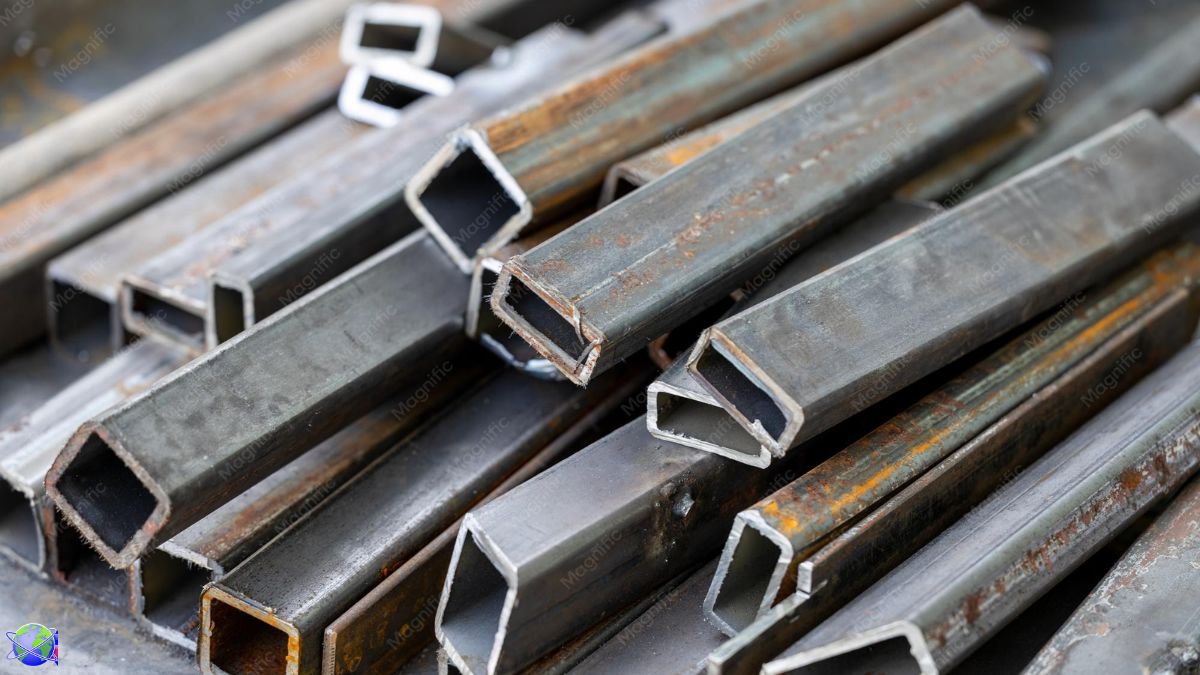
Every building, bridge, and industrial facility depends on a foundation that can safely transfer structural loads into the ground. In ideal conditions, shallow foundations may provide sufficient support. However, construction sites do not always offer stable soil near the surface. Weak clay, loose sand, filled land, and areas with high groundwater levels often require a different solution.
A stand pile foundation addresses this challenge by extending deep into the ground until it reaches soil or rock capable of supporting the structure. These foundations make it possible to build safely in locations where traditional foundation systems would struggle to perform.
As cities grow and development expands into increasingly complex environments, deep foundation systems have become a critical part of modern engineering. From skyscrapers and transportation infrastructure to waterfront facilities and industrial plants, pile foundations provide the stability required for long-term performance.
Understanding how these systems work helps explain why they remain one of the most trusted foundation solutions in construction.
What Is a Stand Pile Foundation?
A stand pile foundation is a deep structural element installed into the ground to support loads that cannot be carried safely by surface soils. The pile acts as a connection between the structure and stronger subsurface layers.
Unlike shallow foundations, which spread loads across the upper soil layers, pile foundations transfer those loads deeper into the earth. This approach reduces the risk of excessive settlement and improves overall structural stability.
Pile foundations are commonly manufactured from concrete, steel, timber, or a combination of materials. The selection depends on factors such as soil conditions, project size, environmental exposure, and design requirements.
Their primary purpose is simple: provide reliable support when surface conditions are not suitable for conventional foundation systems.
How Stand Pile Foundations Work
The effectiveness of a pile foundation depends on how it transfers loads into the ground. Engineers generally rely on two main mechanisms.
End-Bearing Support
Some construction sites contain a strong layer of rock or dense soil beneath weaker materials. In these cases, piles extend until they reach this stable layer.
The structural load travels through the pile and is delivered directly to the firm ground at its base. This method is often compared to placing a column on a solid floor.
Skin Friction Resistance
When a suitable bearing layer is located too deep to reach economically, piles may rely on friction between their surface and the surrounding soil.
As the structure applies downward force, resistance develops along the pile shaft. This friction helps support the load and prevents excessive movement.
Combined Performance
Many modern pile foundations benefit from both end-bearing support and friction resistance. By using multiple load-transfer mechanisms, engineers can optimize foundation performance and improve safety margins.
Types of Stand Pile Foundations
Different projects require different foundation solutions. Understanding the major categories helps explain how engineers match foundation systems to site conditions.
Concrete Piles
Concrete piles are among the most widely used foundation elements in the construction industry.
Precast Concrete Piles
These piles are manufactured before arriving on-site. Controlled production conditions help ensure consistent quality and strength.
Advantages include:
- High durability
- Reliable performance
- Rapid installation
- Long service life
Cast-in-Place Concrete Piles
These piles are formed directly in the ground after drilling a hole.
Benefits include:
- Flexibility in diameter and depth
- Reduced vibration during installation
- Suitability for restricted sites
Steel Piles
Steel piles provide exceptional strength and are commonly used for heavy infrastructure projects.
Common forms include:
- H-piles
- Pipe piles
- Tubular piles
Their ability to penetrate dense soils makes them particularly useful for bridges and industrial developments.
Timber Piles
Timber piles have been used for centuries and continue to serve specific applications today.
They are most effective in environments where they remain continuously submerged below groundwater levels. Under the right conditions, timber foundations can provide surprisingly long service lives.
Composite Piles
Composite systems combine multiple materials to achieve specific performance goals.
Examples include:
- Steel-concrete combinations
- Timber-concrete systems
- Advanced composite materials
These designs often improve durability while addressing environmental or structural challenges.
Benefits of Deep Foundation Systems
Pile foundations remain popular because they offer several important advantages over shallow alternatives.
Greater Load Capacity
One of the most significant benefits is the ability to support heavy structural loads. Tall buildings, industrial facilities, and major infrastructure projects often depend on deep foundations for this reason.
Reduced Settlement
Uneven settlement can cause serious structural problems over time. By transferring loads to stronger ground, pile foundations help minimize movement and maintain stability.
Adaptability to Challenging Soil Conditions
Many construction sites contain problematic soils that cannot safely support conventional foundations.
Pile systems can perform effectively in:
- Soft clay
- Loose sand
- Reclaimed land
- Coastal environments
- Marshy areas
Resistance to Uplift Forces
Certain structures experience forces that attempt to lift them from the ground. Wind, water pressure, and seismic activity can all create uplift conditions.
Deep foundations provide resistance against these forces and improve structural security.
Long-Term Durability
When properly designed and installed, pile foundations can remain functional for decades with minimal maintenance requirements.
Common Applications in Construction
Pile foundations are used across a wide range of industries and project types.
High-Rise Buildings
Modern skyscrapers generate enormous loads that require deep and reliable support systems. Pile foundations distribute these loads safely into stable subsurface layers.
Bridges
Bridge foundations must withstand traffic loads, environmental forces, and changing ground conditions. Deep foundation systems provide the strength and stability required for long-term performance.
Marine Structures
Ports, docks, piers, and offshore facilities often face difficult soil conditions and constant exposure to water.
Pile foundations are well suited to these environments because they can transfer loads below unstable surface materials.
Industrial Facilities
Factories, power plants, and processing facilities frequently contain heavy equipment that produces concentrated loads.
Deep foundations help support these structures while limiting settlement and vibration-related issues.
Transportation Infrastructure
Railway systems, highways, retaining structures, and elevated transit systems often depend on pile-supported foundations for durability and safety.
Key Design Considerations
Designing a successful pile foundation requires careful planning and detailed engineering analysis.
Geotechnical Investigation
Before any design work begins, engineers must understand the soil conditions at the site.
Investigations typically include:
- Soil sampling
- Borehole drilling
- Laboratory testing
- Groundwater analysis
Accurate information helps determine foundation depth, capacity, and installation requirements.
Structural Loads
Every structure applies loads to its foundation. Engineers evaluate dead loads, live loads, wind forces, seismic effects, and other factors to determine the required pile capacity.
Pile Length and Diameter
The dimensions of a pile significantly influence its performance.
Longer piles generally provide access to deeper bearing layers, while larger diameters can increase load-carrying capacity.
Environmental Conditions
Corrosion, groundwater chemistry, temperature fluctuations, and exposure to aggressive substances all influence material selection and durability planning.
Group Effects
Large structures often require multiple piles working together as a system. Engineers analyze how these piles interact to ensure loads are distributed efficiently.
Installation Methods
Several installation techniques are used depending on project requirements and site conditions.
Driven Piles
Driven piles are installed by hammering prefabricated piles into the ground.
Advantages include:
- Immediate load-bearing capability
- Reliable quality control
- High installation efficiency
Bored Piles
Bored piles are constructed by drilling a hole and filling it with reinforced concrete.
This method reduces noise and vibration, making it suitable for urban environments.
Screw Piles
Screw piles feature helical plates that allow them to be rotated into the ground.
They are often used for smaller structures and projects requiring minimal site disturbance.
Continuous Flight Auger Piles
This method combines drilling and concrete placement in a single operation, improving efficiency while minimizing ground disturbance.
Challenges and Best Practices
Although pile foundations offer many advantages, successful implementation requires attention to potential challenges.
Variable Soil Conditions
Subsurface conditions can change significantly across a site.
Comprehensive geotechnical investigations help identify potential issues before construction begins.
Installation Accuracy
Even small positioning errors can affect structural performance.
Modern surveying technology and strict quality-control procedures help maintain accuracy.
Noise and Vibration
Driven piles can generate significant disturbance in urban settings.
Alternative installation methods may be necessary near existing structures.
Corrosion Protection
Steel foundation elements may require coatings, cathodic protection, or specialized materials to ensure long-term durability.
Emerging Trends and Innovations
Foundation engineering continues to evolve through new technologies and construction techniques.
Smart Monitoring Systems
Sensors embedded within foundation elements allow engineers to monitor performance throughout a structure’s life.
Advanced Materials
Researchers continue to develop materials that improve durability while reducing environmental impact.
Digital Design Tools
Modern software enables engineers to model soil behavior and foundation performance with greater accuracy than ever before.
Sustainable Construction Practices
The industry increasingly focuses on reducing material consumption, minimizing waste, and improving energy efficiency throughout the construction process.
Energy Piles
Some modern systems combine structural support with geothermal heating and cooling functions, allowing foundations to contribute to a building’s energy strategy.
Conclusion
Stand pile foundations play a vital role in modern construction by providing reliable support in locations where surface soils cannot safely carry structural loads. Their ability to transfer weight to deeper, stronger ground makes them essential for high-rise buildings, bridges, industrial facilities, transportation infrastructure, and marine structures.
Successful foundation design depends on understanding soil conditions, selecting appropriate pile types, and applying sound engineering principles throughout the project. As construction technology advances, pile foundation systems continue to become more efficient, durable, and adaptable to increasingly complex site conditions.
For projects requiring stability, long-term performance, and confidence in challenging environments, deep foundation systems remain one of the most effective solutions available.
FAQs
1. What is the purpose of a stand pile foundation?
Its primary purpose is to transfer structural loads from weak surface soils to stronger layers deeper underground.
2. What materials are commonly used for pile foundations?
Concrete, steel, timber, and composite materials are the most common options.
3. When is a pile foundation necessary?
Pile foundations are typically used when shallow foundations cannot safely support the expected structural loads.
4. How long do pile foundations last?
With proper design and maintenance, many pile foundations remain functional for several decades and often exceed their intended service life.
5. Are pile foundations suitable for residential construction?
Yes. Homes built on weak soil, sloping sites, waterfront properties, or reclaimed land may benefit from pile-supported foundations.