

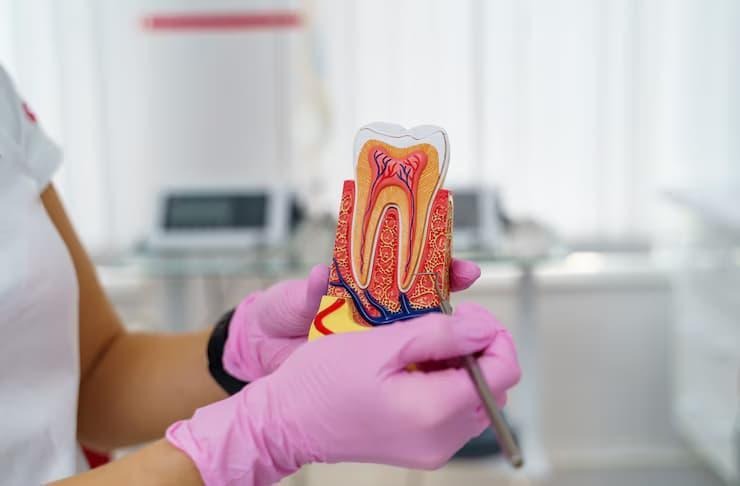
Many people feel uncertain when a root canal fails to settle a long-standing infection. Years ago, the next step would often lead straight to the removal of the tooth. Today, the picture is different. With advances in microsurgery, an apicoectomy has become a dependable option for those hoping to keep their natural teeth. As more patients search for root canal treatmentin Cardiff, this quiet shift in dental care is beginning to stand out, and it reflects a wider move towards tooth preservation rather than early extraction.
A Growing Interest in Tooth-Saving Treatments
During 2025, many dental teams have seen a steady rise in referrals for apicoectomy. This often happens when a standard root canal has not fully cleared infection deep within the bone or around the tip of the root. Rather than removing the whole tooth, this procedure targets only the affected area.


The increase in referrals is partly due to better awareness among patients, but it also reflects the way clinicians now approach long-term dental care. Keeping a natural tooth, when possible, brings a sense of comfort and stability that artificial alternatives cannot completely match. It also supports the surrounding bone and gums, helping to maintain a balanced bite and a natural smile.
As more people learn about the difference between retreatment and microsurgery, the term root canal treatment in Cardiff has begun to include a broader set of solutions, not only the original procedure.
How Improved Imaging Has Changed Outcomes
A major reason for the renewed interest in apicoectomy lies in the tools used to diagnose and plan the procedure. Modern imaging, including 3D scans, helps clinicians view tiny structures and hidden canals that were difficult to assess in the past. This added clarity leads to better decisions, more precise planning, and calmer treatment sessions for the patient.
Under a dental microscope, the clinician can remove only a small portion of the root tip and clean the infected area with far greater accuracy. This delicate approach lowers the risk of disturbing healthy bone and soft tissue.
Patients who seek root canal treatment in Cardiff often want to understand why a standard treatment may not have resolved the issue. The answer frequently comes down to anatomy: narrow canals, unusual curvatures, or extra branches that were not visible without advanced imaging. Microsurgery helps to reach these sites without the need for complete retreatment.
Why Tooth Preservation Matters More Than Ever
Across the field of dentistry, tooth preservation has taken centre stage. The aim is to maintain natural teeth for as long as reasonably possible, using thoughtful and predictable methods. An apicoectomy fits well within this aim, serving as a final attempt to save a tooth that still has the structure needed for daily use.
Extraction used to be the automatic solution when an infection returned after a root canal. That is no longer the case. Many patients prefer to avoid removal unless absolutely necessary, and clinicians share this goal where the tooth has a fair outlook. Keeping a natural tooth often avoids the longer treatment paths linked with implants or bridges.
With more people requesting advice for root canal treatment in Cardiff, conversations around tooth preservation are becoming more common. These discussions help patients understand that removal is not the first step but rather a last option once all other routes have been carefully explored.
When Extraction Is Not the Immediate Answer
An apicoectomy is not needed in every case of ongoing discomfort or infection. Some teeth respond well to retreatment, especially if new imaging shows a missed canal or a filling material that can be replaced. In other cases, the infection sits at the very tip of the root, and the rest of the tooth is sound.
Microsurgery is a special way to help fix teeth. The dentist can clean out the bad part at the end of the tooth’s root without touching the inside of the tooth. After that, they put in a small filling to keep it safe from germs.
Deciding when extraction is necessary depends on several factors: the strength of the remaining tooth, the amount of bone around it, and the patient’s overall dental health. When the structure is stable and the infection is contained to one area, extraction is not always the first or most sensible choice. Many dentists, including those at Cyncoed Dental Practice, now explore every tooth-saving path before suggesting removal.
What Patients Can Expect Moving Into 2026
As we head into the new year, apicoectomy is likely to hold a stronger place in treatment planning. More dental teams are gaining training in microsurgery, and improved imaging continues to refine how these procedures are performed.
If you need root canal treatment in Cardiff, saving a tooth is not about just one way to do it. Doctors now take time to check your tooth carefully and plan the best way to help you.
One option is called apicoectomy, which helps people keep their teeth instead of pulling them out. As doctors get better tools to see inside the tooth, they can better predict how things will go. This method is becoming more common and important each year.
Final Thoughts
Apicoectomy has moved from a rarely mentioned treatment to a well-established part of modern endodontic care. With improved imaging, better planning, and a shared commitment to tooth preservation, it offers a sensible path forward when a standard root canal has not resolved an infection.
For anyone searching for root canal treatment in Cardiff, understanding this option can bring reassurance at a time when choices may feel limited. Keeping a natural tooth is often possible, and microsurgery provides a balanced and thoughtful way to support that goal.