
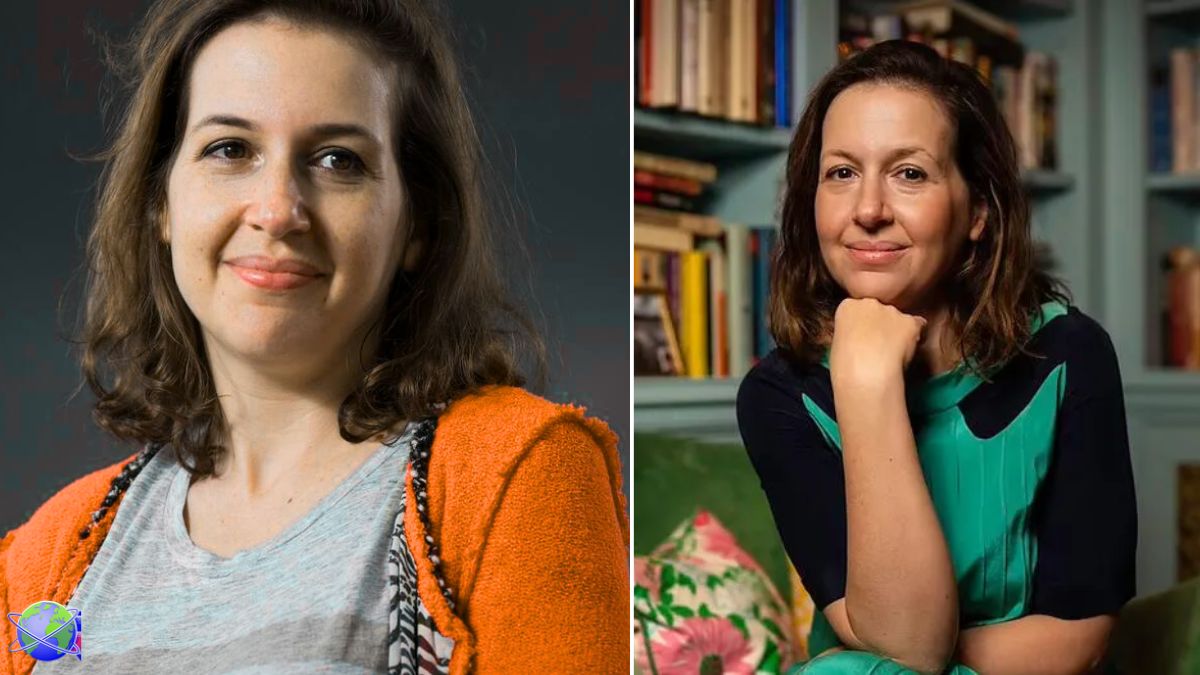
In the modern world of journalism, Hadley Freeman stands as one of the most insightful, witty, and culturally aware writers of her generation. Known for her fearless commentary on feminism, fashion, and social issues, Hadley Freeman has shaped the way readers engage with culture and truth. With a career that spans more than two decades, she has become a respected voice whose authenticity and intellect define what modern journalism strives to be.
Whether you’ve encountered Hadley Freeman through her bestselling books, her thought-provoking essays, or her candid reflections on mental health, one thing is clear — she writes with honesty, humor, and humanity. This biography dives deep into her life story, career milestones, literary achievements, and the impact she continues to make on contemporary journalism.


Early Life and Education
Hadley Freeman was born in New York City on May 15, 1978, to an American Jewish family. When she was around eleven, her family moved to the United Kingdom, where she would later begin her journey as a writer. Her multicultural upbringing — balancing American roots with British sensibilities — profoundly influenced her worldview and writing style.
Freeman attended St Anne’s College at Oxford University, studying English Literature. During her time there, she developed a fascination for culture, feminism, and media. Her love for language and storytelling would soon guide her toward a remarkable career in journalism.
The Beginning of a Writing Career
After graduating from Oxford, Hadley Freeman began her writing career with The Guardian, one of Britain’s most prominent newspapers. She started as an intern and quickly earned recognition for her sharp wit, unique cultural insight, and eloquent prose. Within a few years, she became a regular columnist — known for balancing humor with critical observation.
Her early work often revolved around fashion and feminism, but she never confined herself to one niche. Instead, she explored how pop culture, politics, and identity intersect, always keeping readers engaged with her conversational yet intelligent tone.
Hadley Freeman and The Guardian Years
For over 20 years, Hadley Freeman contributed to The Guardian, building her reputation as a fearless cultural commentator. She wrote about everything from celebrity culture to women’s rights, often challenging societal expectations and media stereotypes.
Her columns stood out because they didn’t simply follow trends — they questioned them. Freeman used humor and insight to critique the way media portrays women, while also exploring the emotional realities of modern life. This combination of intellect and empathy made her one of The Guardian’s most beloved columnists.
Transition to The Sunday Times
In 2022, Hadley Freeman made a career shift, leaving The Guardian to join The Sunday Times as a staff writer. The move marked a new chapter in her journalism journey, allowing her to explore long-form features and cultural essays with greater depth.
Her pieces for The Sunday Times have continued to tackle issues that resonate deeply — gender identity, freedom of expression, and the state of modern media. Through this transition, Hadley Freeman proved that strong journalism isn’t about allegiance to one platform; it’s about maintaining integrity, courage, and curiosity.
Notable Books by Hadley Freeman
Beyond journalism, Hadley Freeman has written several acclaimed books that showcase her range and intelligence.
Here are her most notable works:
- The Meaning of Sunglasses (2008): A witty and insightful exploration of fashion culture.
- Be Awesome: Modern Essays for Modern Ladies (2013): A feminist guide packed with humor and wisdom.
- Life Moves Pretty Fast (2015): A nostalgic look at 1980s movies and their cultural significance.
- House of Glass (2020): A powerful family memoir exploring Jewish identity and survival during the Holocaust.
- Good Girls (2023): A deeply personal and academic look at anorexia, based on her own experiences.
Each book reveals a new side of Hadley Freeman — the humorist, the intellectual, and the survivor.
Exploring Themes in Her Writing
The recurring themes in Hadley Freeman’s work reflect a profound understanding of human behavior, identity, and society. She frequently examines:
- Feminism: The complexities of womanhood and empowerment.
- Pop Culture: The influence of film, fashion, and media on social norms.
- Mental Health: Her candid discussions about anorexia and recovery.
- Family and Memory: Especially evident in House of Glass, where she intertwines personal history with world events.
Through these themes, Hadley Freeman connects personal narrative with universal meaning — a hallmark of great writing.
Influence on Feminism and Culture
Few journalists have impacted feminist discourse as much as Hadley Freeman. Her essays push readers to rethink what feminism means in the 21st century — not as a slogan, but as a lived experience.
She writes not from the pedestal of ideology, but from the heart of lived truth. Her honesty about insecurities, ambition, and self-image resonates with women around the world. Hadley Freeman reminds readers that feminism is not perfection — it’s progress, empathy, and the courage to keep questioning.
Personal Challenges and Resilience
One of the most inspiring aspects of Hadley Freeman’s story is her openness about mental health. As a teenager, she battled severe anorexia, spending several years in and out of hospitals. Instead of burying that experience, she turned it into strength — transforming pain into perspective.
Her 2023 book Good Girls explores this journey in detail, offering both memoir and social critique. Through it, Hadley Freeman demonstrates that vulnerability can be the greatest form of power in journalism and beyond.
Her Writing Style and Legacy
What makes Hadley Freeman’s writing stand out is her ability to blend intellect with warmth. Her essays feel like conversations with a friend who just happens to be incredibly wise and funny. She avoids academic jargon but never compromises depth.
Her voice bridges generations — from young readers seeking identity to older audiences craving thoughtful reflection. Over time, her legacy has grown beyond journalism; Hadley Freeman represents the modern writer who combines courage, compassion, and clarity.
The Lasting Impact on Modern Journalism
In an era dominated by digital media and clickbait, Hadley Freeman remains a beacon of authenticity. Her journalism proves that truth, humor, and empathy can coexist without losing integrity. She continues to inspire young writers to prioritize accuracy and empathy over algorithms.
Through her articles and books, Hadley Freeman has expanded the boundaries of modern journalism — reminding us that storytelling is not just about reporting events, but revealing the human heart behind them.
Conclusion
The story of Hadley Freeman is one of resilience, intellect, and purpose. From her early days at The Guardian to her current role at The Sunday Times, she has redefined cultural commentary through empathy and wit. Her books and essays continue to shape how readers understand feminism, identity, and modern society.
Above all, Hadley Freeman stands as a reminder that journalism at its best is not just about information — it’s about connection, truth, and the courage to tell one’s story.
FAQs
1. Who is Hadley Freeman?
Hadley Freeman is a British-American journalist and author known for her cultural commentary, feminist essays, and bestselling books.
2. What books has Hadley Freeman written?
She has written The Meaning of Sunglasses, Be Awesome, Life Moves Pretty Fast, House of Glass, and Good Girls.
3. What topics does Hadley Freeman usually cover?
Her work explores feminism, fashion, pop culture, identity, and mental health.
4. Where does Hadley Freeman write now?
She is currently a staff writer at The Sunday Times in the UK.
5. Why is Hadley Freeman important in journalism?
She’s admired for blending intellect with empathy, pushing feminist thought forward, and promoting honest, thoughtful journalism.