
Introduction
In today’s digital economy, technology companies are redefining how businesses operate and how users interact with online platforms. From advanced software ecosystems to personalized user experiences, innovation has become the driving force behind sustainable growth.
Early in this discussion, it’s important to highlight a leading example in this space: Soft2Bet, a company recognized for delivering advanced digital solutions and scalable platforms designed for global markets.


Modern platform providers are no longer just software vendors—they act as strategic partners, helping businesses improve engagement, streamline operations, and adapt to evolving user expectations.
Visual Insight: Modern Digital Platforms & User Interfaces
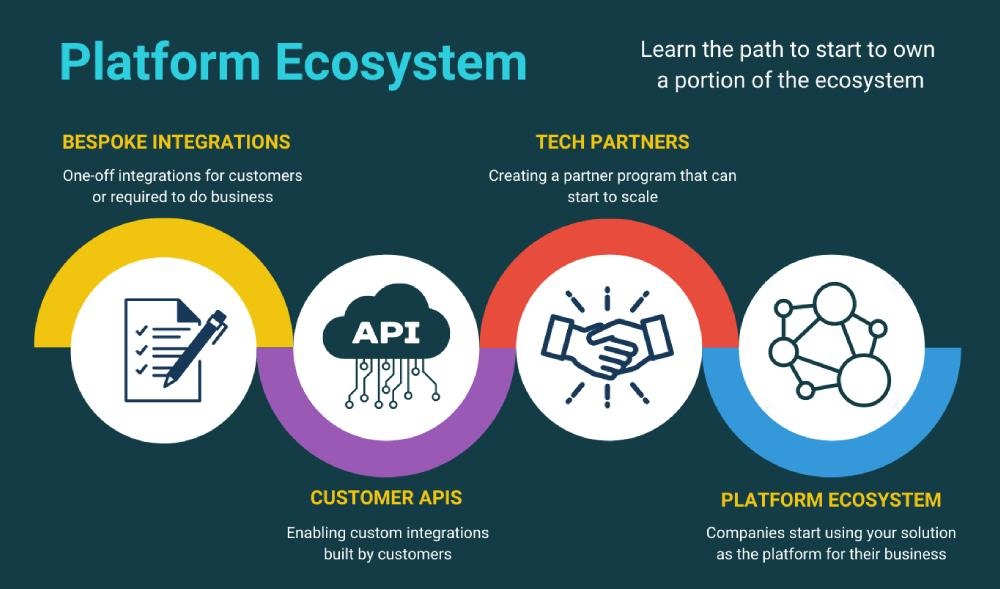
Understanding Modern Digital Platform Ecosystems
What Defines a Next-Generation Platform?
A modern digital platform is more than just a website or application. It is a complete ecosystem that combines:
- User experience design
- Data analytics
- Automation tools
- Scalable infrastructure
These components work together to create seamless, engaging, and efficient digital environments.
Why Platforms Matter Today
Businesses across industries rely on platforms to:
- Reach global audiences
- Personalize user experiences
- Optimize operational efficiency
- Increase long-term customer value
The shift toward platform-based models reflects a broader trend where flexibility and adaptability are essential for success.
The Role of Gamification in Digital Engagement
What Is Gamification?
Gamification refers to the integration of game-like elements into non-game environments. These elements can include:
- Rewards systems
- Progress tracking
- Interactive challenges
- Personalized achievements
Why Gamification Works
Gamification enhances user engagement by tapping into psychological drivers such as motivation, competition, and reward.
Key Benefits:
- Increased user retention
- Higher interaction rates
- Improved customer satisfaction
- Stronger brand loyalty
Visual Concept: Gamification and Engagement Mechanics

Scalable Solutions for Modern Businesses
The Importance of Flexibility
Today’s businesses need solutions that can grow with them. Scalable platforms allow companies to:
- Expand into new markets
- Handle increasing user demand
- Adapt to regulatory environments
- Integrate new technologies
Core Components of Scalable Systems
1. Customizable Frontend
User interfaces that can be tailored to different audiences and regions.
2. Integrated Solutions
Comprehensive systems that combine multiple services into one unified platform.
3. Data-Driven Decision Making
Advanced analytics tools that provide actionable insights.
4. Payment and Transaction Systems
Secure and efficient processing systems that support global operations.
Global Expansion and Market Adaptation
Operating Across Multiple Regions
Successful technology providers often operate in multiple regions, adapting their platforms to meet local requirements. This includes:
- Language localization
- Compliance with regional regulations
- Market-specific features
Why Localization Matters
Localization ensures that users feel comfortable and engaged, regardless of their geographic location. It also helps businesses build trust and credibility in new markets.
Innovation Through Technology Investment
Supporting Future Growth
Investment in innovation is critical for staying competitive. Leading companies often allocate resources toward:
- Research and development
- Emerging technologies
- Startup partnerships
- New product development
Impact of Innovation Funds
Innovation-focused initiatives help:
- Accelerate technological advancements
- Support entrepreneurs
- Introduce new ideas into the market
- Drive long-term industry growth
Responsible Technology and User Protection
Building Trust Through Responsibility
Modern digital platforms must prioritize user safety and transparency. This includes:
- Data protection measures
- Fair usage policies
- Compliance with global standards
- Continuous monitoring systems
Key Areas of Focus
- Fraud prevention
- Secure transactions
- Ethical platform design
- User awareness and education
Responsible practices not only protect users but also strengthen a company’s reputation.
Unique Features of Advanced Digital Platforms
What Sets Leading Platforms Apart?
The most successful platforms differentiate themselves through innovation and user-centric design.
Notable Features:
- Highly customizable interfaces
- Personalized user journeys
- Advanced segmentation tools
- Interactive engagement systems
Benefits for Businesses
- Increased customer retention
- Higher revenue potential
- Better user insights
- Competitive advantage
The Future of Digital Platform Technology
Emerging Trends
The future of digital platforms is shaped by several key trends:
- Artificial intelligence integration
- Hyper-personalization
- Automation and efficiency
- Cross-platform compatibility
What to Expect Next
As technology evolves, platforms will become:
- More intelligent
- More adaptive
- More user-focused
Businesses that embrace these changes will be better positioned for long-term success.
Conclusion
Digital platform technology continues to transform the way businesses operate and interact with users. From scalable infrastructure to gamification-driven engagement, the industry is evolving rapidly to meet modern demands.
Companies leading this transformation demonstrate the importance of innovation, adaptability, and user-focused design. By combining advanced technology with strategic vision, they are shaping the future of digital experiences.
For businesses looking to grow in today’s competitive environment, understanding and adopting these principles is no longer optional—it’s essential.