
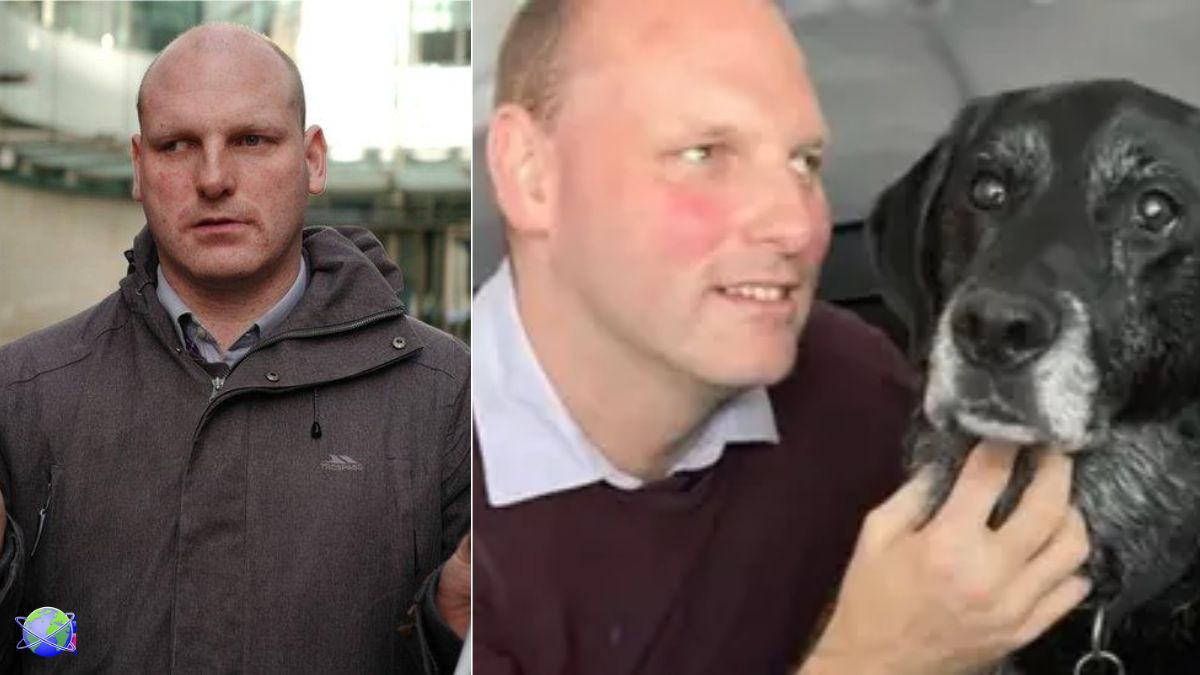
In the world of modern broadcasting, few names embody courage and authenticity like Sean Dilley. As a BBC journalist and correspondent, Sean Dilley has become a symbol of resilience and inclusivity, proving that journalism is about insight, not eyesight. Through determination, empathy, and vision, Sean Dilley continues to redefine what it means to be a journalist in the 21st century.
Every story he tells resonates with integrity and passion. His journey stands as an inspiring example for aspiring journalists, people with disabilities, and anyone striving to make a meaningful impact on the world.


Who Is Sean Dilley?
Sean Dilley is a highly respected British journalist best known for his role as a correspondent at BBC News. Blind since childhood, he has built a remarkable career in broadcasting through talent, hard work, and unshakable determination. His work focuses on accessibility, social justice, and transport issues, but his story extends far beyond newsroom headlines.
For many, Sean Dilley represents not only journalistic excellence but also the broader ideals of inclusion, diversity, and representation. His voice is one of authenticity and authority, reminding audiences that great journalism is built on truth, empathy, and courage.
Early Life and the Journey to Journalism
The path that led Sean Dilley to the BBC was not easy. Born with a visual impairment, he faced challenges that might have deterred others. Yet, instead of limiting his ambitions, blindness became a lens through which he developed an extraordinary sense of perception.
From an early age, Sean Dilley displayed a fascination with storytelling, communication, and social advocacy. He studied journalism and honed his ability to communicate clearly and powerfully — qualities that would later define his broadcasting career.
His early experience in local radio stations gave him not only technical expertise but also a deep understanding of how media shapes public opinion. Sean Dilley learned that true journalism involves empathy and a commitment to giving everyone a voice — especially those who are often unheard.
A Career Built on Passion and Perseverance
Before joining the BBC, Sean Dilley worked at Sky News and TalkSPORT, among other media outlets. His career has spanned various aspects of journalism — from political reporting to features and public affairs.
At the BBC, he has become one of the most recognizable correspondents on British television. Whether reporting on transport challenges, disability rights, or public policy, Sean Dilley brings authenticity and human connection to every story. His clarity of thought and compassion for others distinguish him from many of his peers.
But beyond his achievements, his professional journey reflects perseverance — a reminder that talent combined with determination can overcome even the toughest barriers.
The Role of Accessibility in Modern Media
In a rapidly evolving digital world, accessibility has become a cornerstone of responsible journalism. Sean Dilley has been at the forefront of this movement, advocating for inclusive storytelling and equal opportunities for people with disabilities.
He understands firsthand that accessibility isn’t just about technology; it’s about mindset. By promoting accessible journalism, Sean Dilley challenges the media industry to rethink its traditional structures and make information available to everyone, regardless of ability.
His efforts have inspired major broadcasters to improve accessibility standards — from captioning and audio descriptions to equitable recruitment and representation.
Overcoming Challenges with Resilience
Perhaps one of the most defining moments of Sean Dilley’s life came when he chased down a thief who had stolen his phone — an act that made national headlines. Despite being blind, he managed to subdue the suspect and recover his device. The incident not only showcased his bravery but also shattered stereotypes about disability and vulnerability.
This story epitomizes what makes Sean Dilley such an extraordinary figure: his refusal to let challenges dictate his narrative. His resilience goes beyond personal triumph; it symbolizes the strength and determination that define inclusive progress in modern media.
Sean Dilley and Disability Representation at the BBC
As part of the BBC’s commitment to diversity, Sean Dilley plays an essential role in the “Reframing Disability” initiative, which aims to reshape public perception of disability in the media. He advocates for authentic portrayals that celebrate ability rather than focus on limitation.
Through his work, Sean Dilley ensures that disabled voices are heard and that representation isn’t tokenistic. His influence extends to mentoring younger journalists, encouraging them to embrace their unique perspectives as sources of strength.
He often reminds audiences that disability is not a disadvantage but a different way of experiencing the world — and that true inclusion happens when people are valued for their abilities and stories.
Impactful Journalism: More Than Just Reporting
Sean Dilley exemplifies the kind of journalist who goes beyond breaking news to build meaningful narratives. His reports often explore how public policies affect real people, adding human depth to political and social issues.
In his interviews and features, Sean Dilley blends facts with empathy, turning data into compelling stories that move hearts and minds. His work reminds us that journalism isn’t just about conveying information — it’s about inspiring change.
Inspiring the Next Generation of Journalists
For aspiring journalists, Sean Dilley’s journey is a powerful lesson in perseverance and authenticity. He demonstrates that true journalism doesn’t rely on perfect vision but on the ability to perceive truth.
He actively supports mentorship programs, empowering young people — including those with disabilities — to pursue careers in media. By sharing his experiences, Sean Dilley encourages others to see journalism not as an exclusive club but as a calling open to all who are passionate about truth.
Social Media, Advocacy, and Public Engagement
In today’s interconnected world, journalists must balance accuracy with accessibility. Sean Dilley leverages social media to raise awareness about accessibility, equality, and inclusion. His posts reflect authenticity, humor, and deep empathy.
On platforms like Twitter and Instagram, he shares glimpses of his life with his guide dog, behind-the-scenes moments from BBC News, and discussions on disability rights. Through his digital presence, Sean Dilley continues to redefine what it means to be both a journalist and an advocate in the digital era.
Public Recognition and Influence
Sean Dilley has earned public admiration not only for his professional work but also for his character. His contributions to broadcasting have inspired countless viewers and aspiring journalists across the globe.
He is regularly invited to speak at conferences and events where he discusses the intersection of media, accessibility, and equality. By sharing his lived experience, Sean Dilley fosters deeper understanding and empathy in the media industry and beyond.
His influence extends beyond journalism — he represents a shift toward a society that values diversity as a source of strength and innovation.
Conclusion: A Vision That Transcends Sight
In a field that thrives on observation, Sean Dilley proves that true vision comes from within. His story is not one of overcoming blindness but of transforming it into a unique source of insight. Through his reporting, advocacy, and authenticity, Sean Dilley continues to inspire millions.
As journalism evolves, his journey serves as a timeless reminder: great storytelling isn’t about what you see, but how you understand. Sean Dilley’s resilience and vision ensure that his legacy will shine as a beacon for journalists of the future — a testament to the limitless potential of the human spirit.
FAQs
1. Who is Sean Dilley?
Sean Dilley is a British journalist and BBC News correspondent known for his work on accessibility, disability rights, and social justice.
2. Is Sean Dilley blind?
Yes. Sean Dilley is blind and uses a guide dog. His blindness has never limited his ability to report compelling stories with depth and empathy.
3. What topics does Sean Dilley cover at the BBC?
He primarily covers transport, accessibility, and social affairs, often highlighting stories of inclusion and representation.
4. What makes Sean Dilley’s journalism unique?
His lived experience and empathetic storytelling approach give his reporting a distinctive authenticity rarely seen in mainstream media.
5. How has Sean Dilley influenced disability representation?
Through his work at the BBC and advocacy for accessibility, he has helped reshape how the media portrays disabled people, focusing on ability and empowerment.