


Urban living across Europe is undergoing a visible transformation. Cities are no longer defined only by density, job opportunities or iconic landmarks. Instead, they are increasingly shaped by lifestyle choices, personal well-being and the everyday experience of residents. People moving to urban areas today expect more balance: access to nature, smoother mobility, and neighbourhoods that feel liveable rather than overwhelming. This shift is driven by changing work patterns, digital connectivity and a growing awareness that quality of life matters just as much as career prospects.
Housing That Adapts to Modern Lifestyles
One of the clearest signs of change can be seen in new housing developments. Across Europe, modern residential complexes are designed to respond to how people actually live, not how they used to live decades ago. Flexible floor plans, shared green areas, co-working spaces and communal zones are becoming standard features rather than premium extras. In this evolving landscape, Hungarian architects are often mentioned as part of a broader regional movement that blends functionality with human-centred design, reflecting similar trends seen in other European cities.


From Commuting to Community
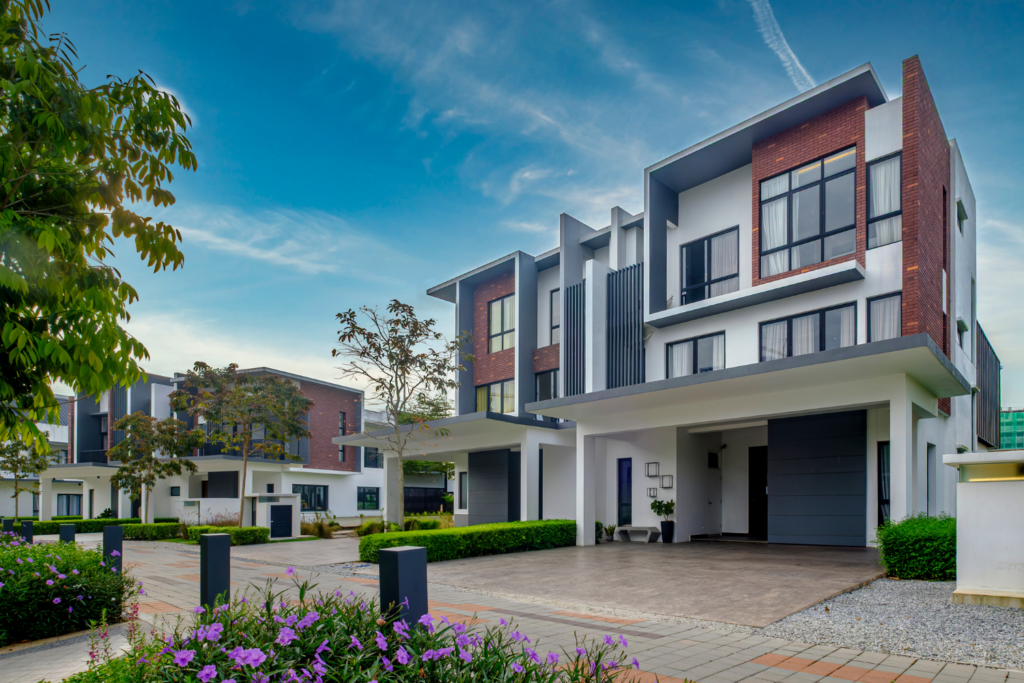
Another major shift in urban living is the reduced importance of daily commuting. With hybrid and remote work now widely accepted, many city dwellers no longer organise their lives around office locations. Instead, they prioritise neighbourhoods where essential services, leisure options and social spaces are close by. Well-designed residential complexes support this lifestyle by creating small ecosystems within the city, while architects increasingly focus on designing environments that encourage interaction without sacrificing privacy.
Sustainability Moves Into the Spotlight
Environmental awareness has also become a central factor in urban development. Energy efficiency, responsible material use and long-term sustainability now influence both planning decisions and personal housing choices. Cities across Europe are investing in greener infrastructure, while architects and developers adapt to stricter standards and higher expectations. The result is a growing number of projects that aim to reduce environmental impact while improving everyday comfort for residents.
What the Future Holds for European Cities
As these trends continue to evolve, European urban living is likely to become more flexible, more local and more people-focused. The cities that succeed will be those that balance growth with liveability, offering spaces that support work, rest and community in equal measure. Rather than chasing scale or speed, the future of urban life seems to lie in thoughtful design, adaptability and a deeper understanding of how people want to live today.