
Döviz, the Turkish term for foreign currency, plays a crucial role in global trade, travel, and investment. Originating from the French word devise, döviz has become a cornerstone of modern economies, especially in countries like Turkey where exchange rates strongly influence inflation and daily life. Over the decades, its significance has expanded from simple currency exchange to a driving force behind international markets and national policies. Today, doziv shapes how individuals save, businesses trade, and governments manage financial stability. Its milestones include the growth of Forex markets, the rise of digital transactions, and its impact on emerging economies. Understanding döviz not only builds financial awareness but also empowers smarter decisions in a world where currency movements affect everyone.
What Is Döviz and Why Does It Matter?
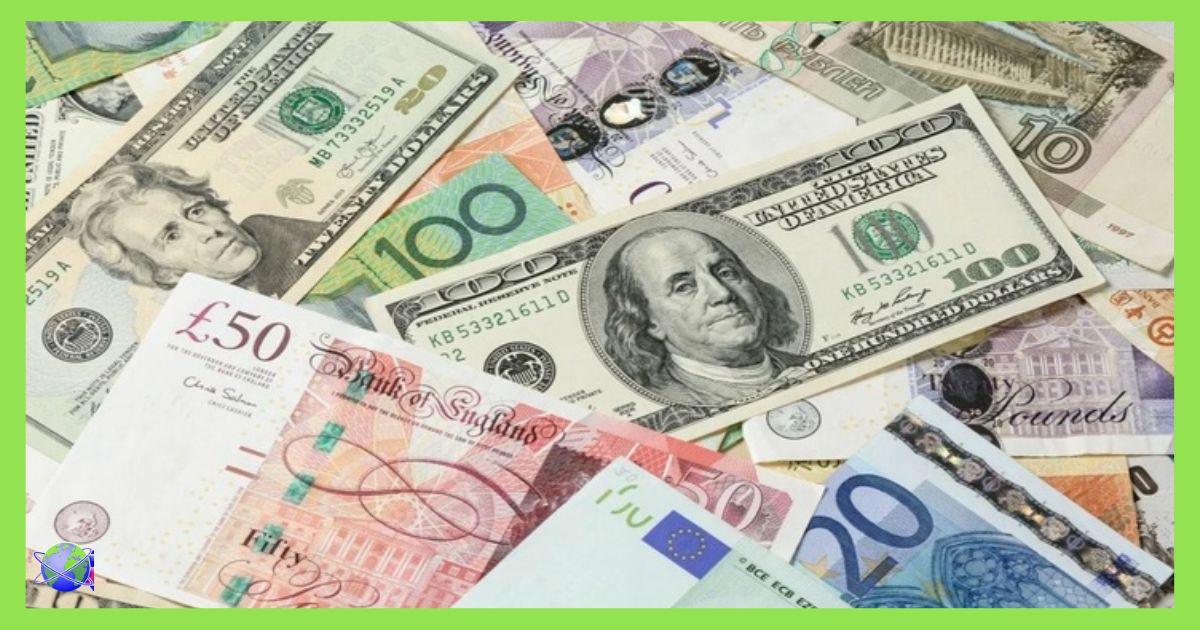
Döviz refers to all types of foreign currencies used in international transactions. In simpler terms, it’s any money that is not the local currency of a country. For Turkey, for instance, the U.S. dollar (USD), Euro (EUR), and British pound (GBP) are considered döviz.

The importance of döviz lies in its function. It enables international trade, influences inflation, and affects the cost of living. When exchange rates fluctuate, the price of imported goods, travel costs, and even savings in foreign-denominated accounts can change.
The Origin and Meaning of Döviz
The word döviz comes from the French word devise, meaning “currency.” Over time, it became deeply rooted in Turkish financial and everyday vocabulary.
- Döviz kuru → Exchange rate
- Döviz bürosu → Currency exchange office
- Döviz hesabı → Foreign currency account
Even for people unfamiliar with economics, doziv is a term heard daily on the news, in markets, and at exchange offices. Its widespread usage shows how integrated foreign currencies have become in people’s lives.
How Exchange Rates Work in the Global Market
Exchange rates are at the heart of döviz. They determine how much of one currency you get in exchange for another.
There are two main types of exchange rates:
- Fixed Exchange Rate – Controlled by governments or central banks.
- Floating Exchange Rate – Determined by supply and demand in the market.
When demand for a currency increases, its value rises against others. Conversely, if investors lose confidence, the value of that doziv falls.
The Role of Döviz in Everyday Life
For most people, döviz becomes relevant when:
- Traveling abroad and needing local currency.
- Sending or receiving money internationally.
- Shopping online from foreign websites.
- Following economic news that affects inflation and savings.
In Turkey, fluctuations in döviz rates are closely tied to inflation. A stronger U.S. dollar often means higher costs for imported goods, fuel, and technology.
Döviz and the Foreign Exchange Market (Forex)
The foreign exchange market (Forex) is the world’s largest financial market, with trillions of dollars traded daily. Here, döviz is exchanged constantly, making it a highly liquid and volatile market.
Participants include:
- Banks and financial institutions
- Governments and central banks
- Corporations engaged in global trade
- Individual investors and traders
Forex allows countries to buy and sell goods, manage reserves, and stabilize their economies.
Factors That Influence Döviz Value
The value of döviz is influenced by multiple factors:
- Economic stability – Countries with strong economies have stronger currencies.
- Interest rates – Higher rates often attract foreign capital, raising demand.
- Political events – Elections, conflicts, or instability can reduce confidence.
- Global demand – Commodity prices, like oil, can affect national currencies.
These elements combine to create constant shifts in döviz rates.
Impact of Döviz on National Economies
For developing nations, döviz reserves are vital. They are used to pay international debts, import goods, and stabilize the local currency.
A shortage of döviz can trigger crises, leading to:
- Currency devaluation
- Rising inflation
- Decreased investor confidence
On the other hand, strong doziv reserves improve financial security and economic independence.
Döviz in Business and International Trade
Businesses rely heavily on döviz. Importers and exporters must deal with exchange rate risks daily. A small change in currency value can affect profit margins dramatically.
For example:
- A Turkish importer buying machinery from Germany must pay in Euros. If the Euro strengthens against the Turkish Lira, the cost rises.
- Conversely, exporters benefit when the local currency weakens, as their goods become cheaper abroad.
The Rise of Digital Döviz and Online Platforms
With globalization, digital döviz transactions have gained popularity. Online banking, mobile apps, and fintech platforms make it easy to buy, sell, and transfer foreign currency instantly.
Cryptocurrencies, although different, are sometimes called “digital döviz” because they operate as alternative global currencies.
Managing Risks in Döviz Transactions
Because döviz values change constantly, individuals and businesses use strategies to minimize risks:
- Hedging through financial instruments.
- Diversifying savings across multiple currencies.
- Monitoring exchange rates regularly.
These strategies help reduce losses during unexpected fluctuations.
Döviz Trends: What the Future Holds
The future of döviz is influenced by technology, digital finance, and global politics. As international trade grows, so does the importance of understanding exchange rates and managing foreign currency effectively.
Many economists predict that emerging markets will face greater challenges due to volatility, while developed nations will continue to dominate the global döviz scene.
Conclusion
Döviz is much more than a financial term—it is a vital part of global trade, everyday transactions, and economic stability. From its historical roots to modern forex markets and digital platforms, döviz affects how people live, travel, and invest.
Understanding döviz empowers individuals, businesses, and governments to make smarter financial choices and adapt to global economic changes.
FAQs
What does döviz mean in English?
It means foreign currency or exchange money.
Why is döviz important in Turkey?
Because Turkey relies on imports, fluctuations in döviz directly affect inflation and cost of living.
How are döviz exchange rates determined?
They are influenced by supply and demand, economic policies, and global market trends.
Can individuals hold döviz accounts?
Yes, many banks allow customers to open döviz savings accounts.
What is the difference between döviz and doziv?
Döviz refers to foreign currency, while doziv appears as a related spelling variant often found online but refers back to the same concept.