
If you’ve ever stumbled across the unusual path content://cz.mobilesoft.appblock.fileprovider/cache/blank.html, you’re not alone. Many Android users encounter this confusing message while browsing apps, checking blocked content, or dealing with cached files. At first glance, it looks like a random technical string, but in reality, it reveals something important about how your device handles files, permissions, and app blocking.
In this article, we’ll break down what content://cz.mobilesoft.appblock.fileprovider/cache/blank.html means, why it appears, and how to fix it. Along the way, you’ll also learn best practices to avoid similar errors and keep your Android experience smooth.


What is content://cz.mobilesoft.appblock.fileprovider/cache/blank.html?
The string content://cz.mobilesoft.appblock.fileprovider/cache/blank.html is a content URI. On Android, content URIs are used by apps to access files or data securely, without exposing raw file paths.
- content:// → tells the system this is a content provider resource.
- cz.mobilesoft.appblock.fileprovider → identifies the package name, in this case, the AppBlock application.
- /cache/blank.html → points to a cached HTML file, usually empty (hence “blank”).
In simpler terms, this URI means your AppBlock app is generating or referencing a placeholder HTML file stored in the device’s cache.
Why Does This Error Appear?
There are several reasons you might see content://cz.mobilesoft.appblock.fileprovider/cache/blank.html:
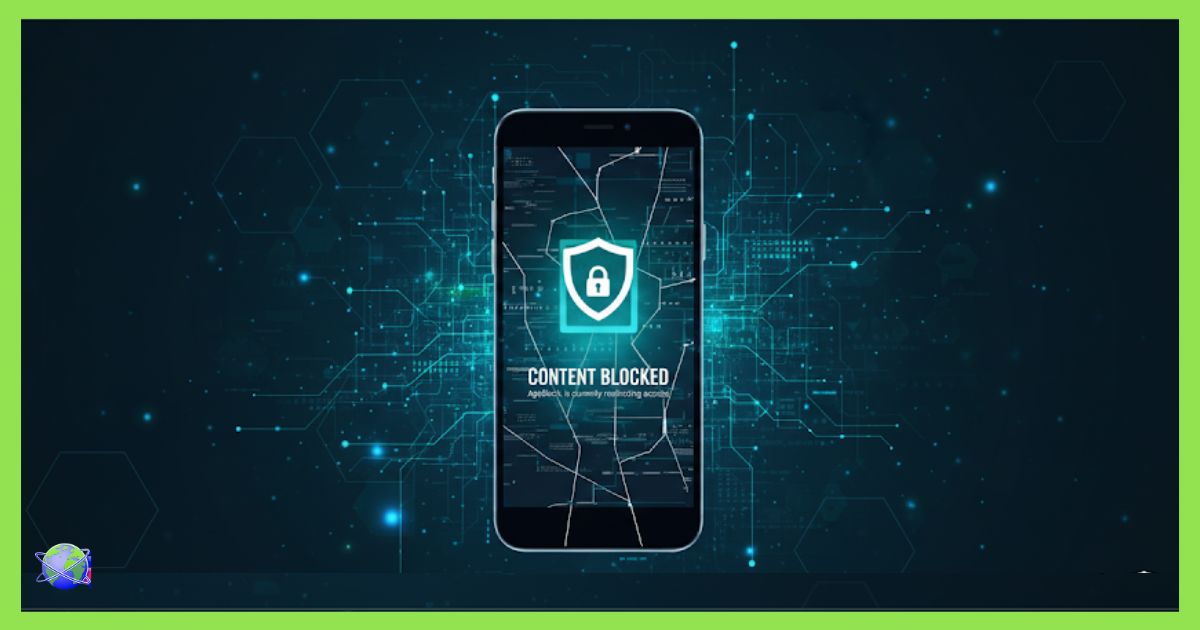
- Blocked Content Placeholder – AppBlock often replaces blocked websites or apps with a blank page.
- Cache File Reference – The system tries to open a cached page, but it leads to an empty HTML file.
- File Provider Behavior – The Android file provider API serves content indirectly, which can cause this placeholder URI to show.
- Glitch or Bug – Sometimes, outdated cache or misconfigured settings cause the URI to appear unexpectedly.
How Android Handles Content URIs
To understand content://cz.mobilesoft.appblock.fileprovider/cache/blank.html, you need to know how Android deals with file access.
- Instead of using file:// paths, Android enforces content:// URIs for better security and permissions.
- Each app has a file provider, which shares internal files with other apps safely.
- When something goes wrong (like missing data), the provider may fall back to a blank.html file.
This system keeps your data safe but can sometimes confuse users when placeholder URIs are displayed.
Common Scenarios Where You’ll See This Path
You might notice this path in multiple situations:
- When AppBlock blocks a distracting website and replaces it with a blank page.
- During debugging or logging if you’re a developer testing cache files.
- If an app tries to access cached web content but the file doesn’t exist.
- When browsing system files using a file explorer app.
In each case, content://cz.mobilesoft.appblock.fileprovider/cache/blank.html serves as a pointer, not an error by itself.
Fixes for content://cz.mobilesoft.appblock.fileprovider/cache/blank.html
If this URI bothers you or breaks your workflow, here are some fixes:
- Clear AppBlock Cache
- Go to Settings > Apps > AppBlock > Storage > Clear Cache.
- Update AppBlock
- Outdated versions sometimes create invalid cache files.
- Disable & Re-enable File Permissions
- Resetting app permissions often resolves URI errors.
- Reinstall the App
- A fresh install removes corrupted cache directories.
- Check Browser Settings
- If it appears while browsing, reset your default browser or clear its cache.
Best Practices to Prevent Such Errors
To avoid running into content://cz.mobilesoft.appblock.fileprovider/cache/blank.html again, follow these best practices:
- Keep your apps updated.
- Regularly clear unnecessary cache files.
- Avoid third-party file explorers that misinterpret URIs.
- Use trusted blocking apps instead of random alternatives.
Security Considerations
Although content://cz.mobilesoft.appblock.fileprovider/cache/blank.html itself is not harmful, security concerns can arise if:
- An untrusted app tries to access AppBlock’s file provider.
- Malicious apps mimic similar URIs to trick users.
Always ensure you download apps only from the Google Play Store and review permissions carefully.
Impact on Apps Like AppBlock
AppBlock specifically uses such placeholders to help users focus by replacing restricted content with blank files. While this may look technical, it’s actually a feature designed to reduce distractions.
How Cache and File Providers Work Together
The cache folder stores temporary files. The file provider acts as a gatekeeper. Together, they ensure:
- Fast performance (via cached files).
- Secure sharing (via content URIs).
- Controlled blocking (via placeholder blank.html pages).
Developer Insights
For developers, understanding content://cz.mobilesoft.appblock.fileprovider/cache/blank.html is useful. It shows:
- How file providers serve cached files.
- Why proper cache management is essential.
- How to avoid exposing sensitive data via misconfigured URIs.
Real-World User Experiences
Many users report seeing blank.html pages when testing blocking apps or when their browsers mis-handle cache files. While it may feel alarming, in most cases, it’s just a harmless placeholder.
Conclusion
The path content://cz.mobilesoft.appblock.fileprovider/cache/blank.html may look intimidating, but it’s usually nothing more than a cached placeholder created by AppBlock. By understanding how content URIs, cache, and file providers work together, you can avoid confusion and apply quick fixes when necessary.
Key takeaway: This isn’t a virus or critical system error—it’s simply part of how Android apps manage content securely.
FAQs
What does content://cz.mobilesoft.appblock.fileprovider/cache/blank.html mean?
It’s a content URI pointing to a placeholder blank page created by the AppBlock app.
Is content://cz.mobilesoft.appblock.fileprovider/cache/blank.html dangerous?
No, it’s safe. It’s only a reference to a cached file, not malware.
How do I fix this error?
Clear AppBlock’s cache, update the app, or reinstall it if needed.
Why does AppBlock create blank.html files?
They serve as placeholders to replace blocked or restricted content.
Can developers customize this behavior?
Yes, by configuring file providers and handling cache more effectively.