

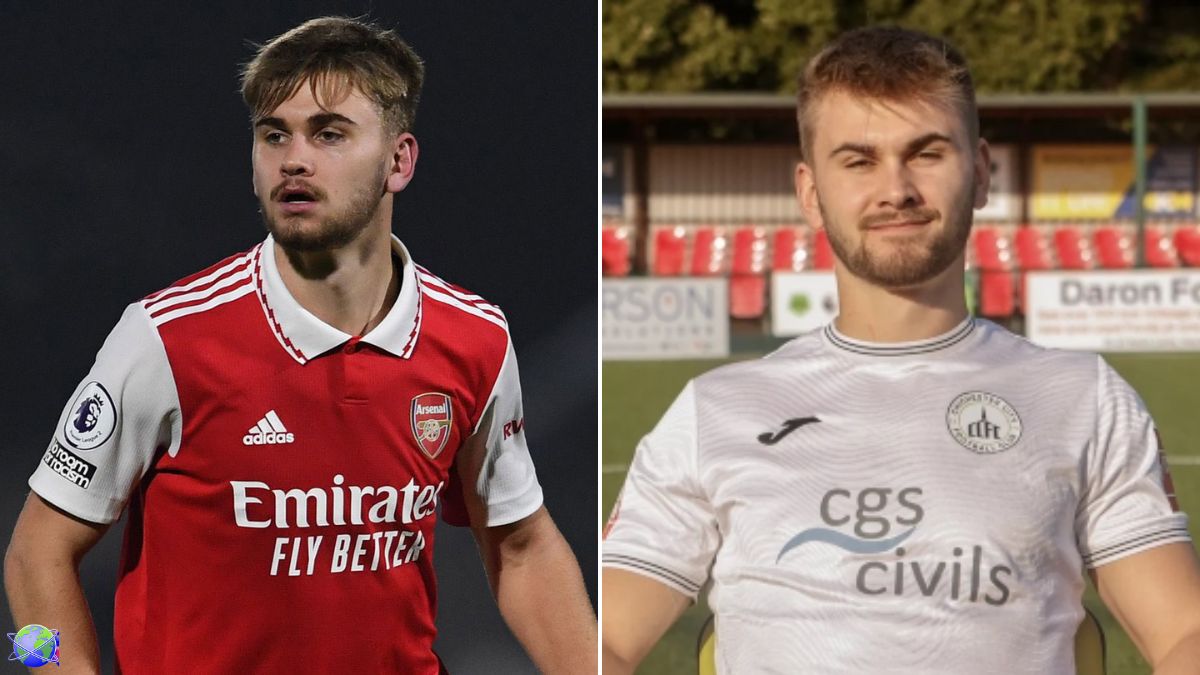
Billy Vigar was a young English footballer whose journey reflected both ambition and vulnerability within the modern game. He trained in elite academies, worked his way through non-league football, and earned respect through commitment rather than fame. Sadly, a tragic accident during a match brought his story to national attention and changed conversations around player safety.
This article explores Billy Vigar’s life, football development, time at Arsenal, senior career, and the fatal injury that ended his life. It focuses on facts, context, and impact—while honoring the person behind the player.


Who Billy Vigar Was
Billy Vigar was born on January 27, 2003. He played as a striker and developed within respected youth academies before stepping into senior football.
From early on, Billy Vigar showed strong work ethic and focus. Instead of relying on flair, he built his game around effort, physical strength, and teamwork. As a result, coaches trusted him, and teammates relied on him.
Early Life and Football Foundations
Billy Vigar began playing football at a young age and quickly stood out for his discipline and drive. As he progressed, structured coaching environments helped him sharpen his technique and decision-making.
Moreover, competitive youth football taught him resilience. He learned how to respond to setbacks, adapt to new roles, and keep improving under pressure. These lessons later proved essential during his senior career.
Billy Vigar at Arsenal
A major step in his development came when Billy Vigar joined Arsenal at youth level. Arsenal’s academy demands high standards, and that environment shaped him both on and off the pitch.
Development Within the Academy
During his time at Arsenal, Billy Vigar focused on:
- Improving movement and positioning as a striker
- Pressing effectively from the front
- Building physical strength for senior football
- Understanding tactical responsibilities
Although he did not break into the first team, his time at Arsenal laid a strong foundation. Therefore, when he later moved into non-league football, he carried those professional habits with him.
Life Beyond the Academy System
After leaving Arsenal, Billy Vigar continued his career across several English clubs. This stage tested his mental strength as much as his football ability.
Senior Clubs
- Derby County (youth level)
- Eastbourne Borough
- Hastings United
- Chichester City
Non-league football demands consistency and toughness. Unlike academy settings, resources are limited, and recovery time is short. Nevertheless, Billy Vigar embraced these conditions and earned his place through reliability and effort.
Billy Vigar Stats and Playing Profile
Billy Vigar’s contributions extended beyond numbers alone. While goals matter, his overall influence came from how he supported the team.
Playing Characteristics
- Central striker with strong physical presence
- Effective at holding up the ball
- High work rate without possession
- Confident in aerial challenges
- Willing to track back when needed
Career Overview
Billy Vigar gained valuable senior minutes in competitive matches. Although his career was still developing, his performances reflected steady growth. More importantly, coaches valued his attitude and consistency.
The Accident and Resulting Injury
In October 2024, while playing for Chichester City, Billy Vigar suffered a severe head injury during a match. As he chased the ball near the touchline, he collided with a solid perimeter wall close to the pitch.
The impact caused serious brain trauma. Medical teams rushed him to hospital, where doctors placed him in an induced coma. Despite their efforts, Billy Vigar died several days later at just 21 years old.
This incident exposed serious concerns about pitch-side safety in lower-league football.
Football’s Response to the Tragedy
Following Billy Vigar’s death, clubs, players, and supporters responded with deep respect and sorrow.
Immediate Actions
- Arsenal released a public tribute
- Non-league fixtures paused in his honor
- Players observed moments of silence
- Supporters organized memorials and fundraisers
However, the reaction did not stop at remembrance. Instead, it led to wider discussions about responsibility and safety standards across the game.
Safety Lessons for the Game
Billy Vigar’s death highlighted risks that often receive too little attention in non-league football.
Key Safety Issues Raised
- Fixed structures placed too close to the pitch
- Lack of protective padding
- Limited on-site medical resources
- Inconsistent head injury protocols
As a result, football authorities began reviewing safety guidelines. These conversations emphasized one clear truth: every player deserves protection, regardless of level.
Remembering Billy Vigar
Billy Vigar’s legacy extends beyond football statistics. Teammates remember him as committed, grounded, and generous with his effort. His journey reflects the reality faced by many players striving outside the spotlight.
Ultimately, his story continues to influence conversations about care, prevention, and responsibility in football.
Conclusion
The story of Billy Vigar combines ambition, perseverance, and profound loss. From elite youth development to the challenges of non-league football, he gave everything to the game. His tragic accident forced English football to confront safety issues that demand action.
Billy Vigar’s memory now stands as both a tribute and a call for change. His life reminds the football world that progress must always include protection.
FAQs
Who was Billy Vigar?
Billy Vigar was an English striker who developed at Arsenal’s academy and later played senior non-league football.
What caused Billy Vigar’s injury?
He suffered a fatal head injury after colliding with a pitch-side wall during a match.
Did Billy Vigar play professional football?
Yes. He played senior football in England’s non-league system after academy training.
What position did Billy Vigar play?
He played as a central striker known for physical effort and teamwork.
Why is Billy Vigar’s story important?
His death brought attention to safety gaps in football infrastructure and player welfare.