

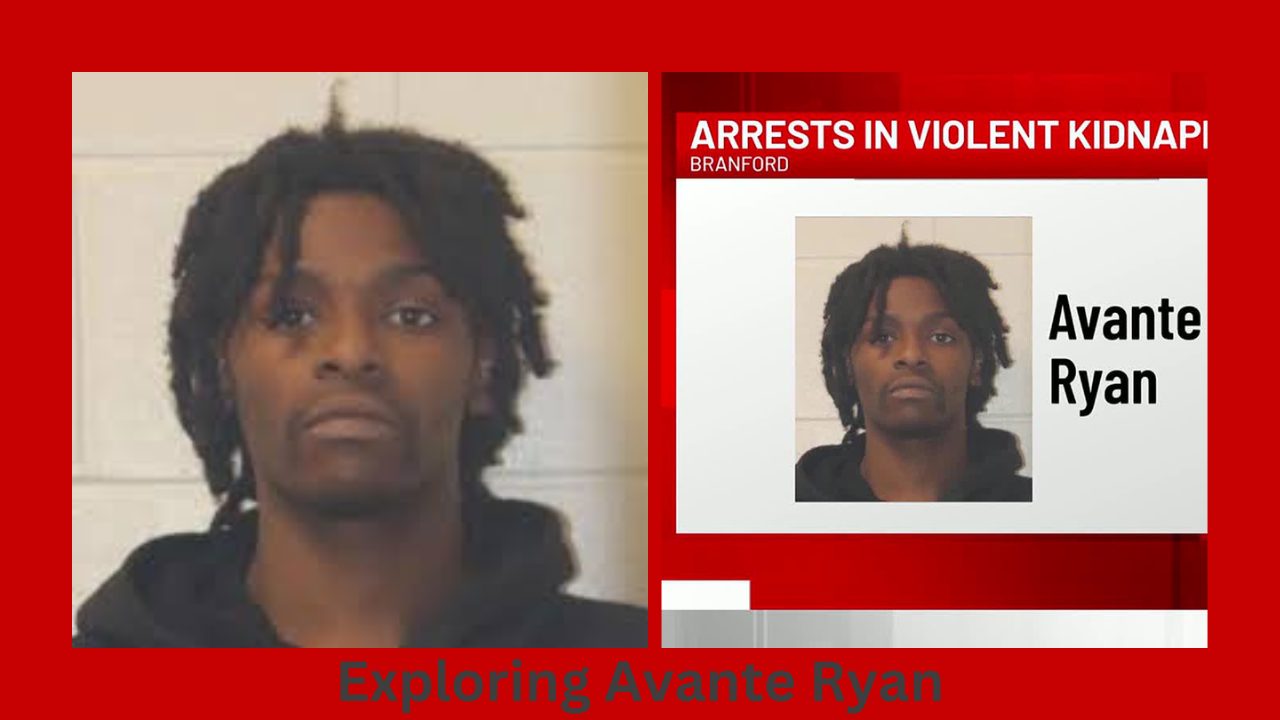
Avante Ryan, a name that has recently gained considerable attention in Connecticut, is not just an individual tied to a place but also a subject of significant discussions surrounding crime, youth violence, and community dynamics. Known for his involvement in a high-profile criminal case in Branford, Connecticut, Ryan’s actions have raised serious questions about safety, justice, and the underlying issues affecting youth behavior. As an influential figure in Hartford, Ryan’s story is more than a case of individual responsibility—it touches on the larger framework of societal issues, from mental health to community support. This article delves into the details of Avante Ryan’s involvement in the Branford incident, its impact on Hartford and Branford, and what this means for both towns moving forward.
The Branford Incident: A Disturbing Crime That Shook the Community
On September 1, 2024, Branford, Connecticut, a typically quiet and safe town, became the epicenter of a shocking crime. Avante Ryan, along with two 17-year-old accomplices, allegedly lured a victim into a secluded area in the city, where they held him hostage for hours. The victim endured a brutal and terrifying ordeal, subjected to physical violence, including being pistol-whipped, set on fire, and sexually assaulted. The incident was a nightmare that not only left the victim with severe bodily injuries but also caused deep emotional trauma.


The crime quickly became a focal point of discussion in Branford and beyond, as it was an unprecedented event for a town previously known for its peaceful nature. The impact of this crime resonated with residents, local authorities, and even the broader Connecticut community. The police responded quickly, arresting Ryan and his two teenage associates. Ryan was charged with numerous serious offenses, including first-degree assault, kidnapping with a firearm, and aggravated sexual assault. The gravity of the charges prompted swift legal proceedings, with Ryan’s bail set at $1 million, reflecting the severity of the alleged crimes.
Hartford’s Reaction: How One Community’s Struggles Ripple Through Another
While the crime took place in Branford, its impact was deeply felt in Hartford, where Avante Ryan had spent much of his life. Hartford, the capital city of Connecticut, has long struggled with issues of youth violence, poverty, and community disenfranchisement. Ryan’s involvement in such a heinous act caused residents to reflect on the conditions that could lead a young man from their community to commit such acts of violence.
In Hartford, conversations quickly turned to what the community could have done differently. People questioned the role of social services, schools, and local organizations in providing support to at-risk youth. For many, the case underscored the need for more significant investment in mental health resources, mentorship programs, and community-based efforts to prevent youth from engaging in criminal behavior. Ryan’s actions seemed to mirror a broader issue of urban youth alienation and a lack of proper channels for emotional and psychological support.
Moreover, Ryan’s crime highlighted the vulnerabilities faced by young people in Hartford. There are widespread concerns that many youths, without the necessary guidance, end up being pulled into destructive behavior. Hartford residents, particularly those who work in community service or advocacy, began discussing how they might strengthen the systems that exist to help youth navigate the challenges they face, from family dynamics to school pressures.
The Role of Community Support: Identifying Gaps and Opportunities for Growth
Both Branford and Hartford’s reactions to the incident have highlighted a critical aspect of addressing youth violence: the importance of community support. In Hartford, there is a well-established network of nonprofits and community organizations working to provide support and resources to young people. However, this crime has underscored that, despite these efforts, there is still much work to be done. The need for stronger collaboration between law enforcement, schools, social workers, and community leaders has never been more transparent.
In Branford, the incident prompted local leaders to reconsider how to engage with at-risk youth before they spiral into violence. In a suburban town like Branford, violent crimes of this nature are rare, which is why the event felt like such a violation of the town’s core values. Local leaders quickly started organizing town hall meetings, calling for more proactive efforts in preventing violence, not just reacting to it. Schools and community organizations began discussing how to implement more comprehensive conflict resolution programs and how to raise awareness about the warning signs of extreme violence in young people.
The Broader Social Issues at Play: Mental Health, Family, and Youth Disenfranchisement
At the heart of this incident is a complex web of societal issues that must be addressed if such violent crimes are to be prevented in the future. Avante Ryan’s story is not unique. It reflects a broader issue that many young people face in Hartford, Branford, and urban areas across the nation. There are multiple contributing factors to youth violence, including mental health challenges, economic hardship, family instability, and exposure to violence. These elements intersect and create an environment in which young people like Ryan may feel disconnected from society, leading to destructive behavior.
Mental health is a particularly significant factor. Many young people do not have access to the resources they need to manage their emotional and psychological well-being. Ryan’s case is a reminder that mental health services must be made more accessible to youth, particularly those in underprivileged communities. Schools, for example, could play a more significant role in identifying students who might be at risk and connecting them to support services before their problems escalate into violence.
Family structure and dynamics are also crucial in shaping the behavior of young people. In Ryan’s case, it is not clear what his familial situation was, but for many young people in similar circumstances, family support is often lacking. Programs aimed at strengthening families, providing parenting education, and offering support to children from unstable households could help mitigate some of the risk factors that contribute to violent behavior.
Moving Forward: Preventative Measures and the Role of Education
One of the key lessons from the Avante Ryan case is the need for preventative measures that focus on education and awareness. Community leaders in Hartford and Branford have recognized the importance of early intervention and education in preventing similar incidents in the future. Programs that promote emotional intelligence, conflict resolution, and non-violent communication can play a pivotal role in helping young people learn how to manage their emotions and interact with others without resorting to violence.
Moreover, schools in both towns can take a more active role in identifying signs of violence or emotional distress among students. This includes training teachers and counselors to spot warning signs early and to have the tools to refer students to appropriate resources. By doing so, schools can serve as the first line of defense against youth violence.
Conclusion: A Call for Change and Reflection
The actions of Avante Ryan have had a profound impact on both Branford and Hartford. His involvement in such a disturbing crime has opened up meaningful conversations about the factors that contribute to youth violence, the role of community support, and the need for better mental health resources. Both communities must come together to address these challenges and work toward creating environments where young people can thrive without resorting to violence.
While the legal proceedings continue, the focus now should be on learning from this tragedy and implementing policies and programs that will prevent similar incidents in the future. Only by addressing the root causes of youth violence—mental health issues, family instability, and a lack of support—can we hope to build stronger, safer communities for everyone.
FAQs
1. What was the crime that Avante Ryan was involved in? Avante Ryan, along with two accomplices, allegedly held a victim captive in Branford, Connecticut, for several hours, during which they subjected him to severe physical violence and abuse. The incident included pistol-whipping, setting the victim on fire, and sexual assault.
2. How did Hartford respond to the incident involving Ryan? The crime raised awareness in Hartford about youth violence and the need for better mental health support and community engagement to help at-risk youth.
3. What steps are being taken to prevent similar crimes in the future? Both Branford and Hartford have initiated discussions on strengthening community support systems, improving mental health resources, and fostering early intervention programs in schools to prevent youth violence.
4. How has the Branford community reacted to this event? The crime has shaken Branford, and he is now focused on implementing stronger violence prevention programs, including conflict resolution education and awareness campaigns in schools.
5. What are some of the underlying causes of youth violence highlighted by this case? The case highlights issues like mental health challenges, family instability, poverty, and the lack of accessible support systems for young people, all of which can contribute to violent behavior.
6. What role do schools play in preventing violence? Schools are key in early intervention and can help prevent violence by identifying warning signs, offering emotional support, and referring students to appropriate mental health resources.
Read More: GoMyFinance.com: Your Guide to Saving Money