

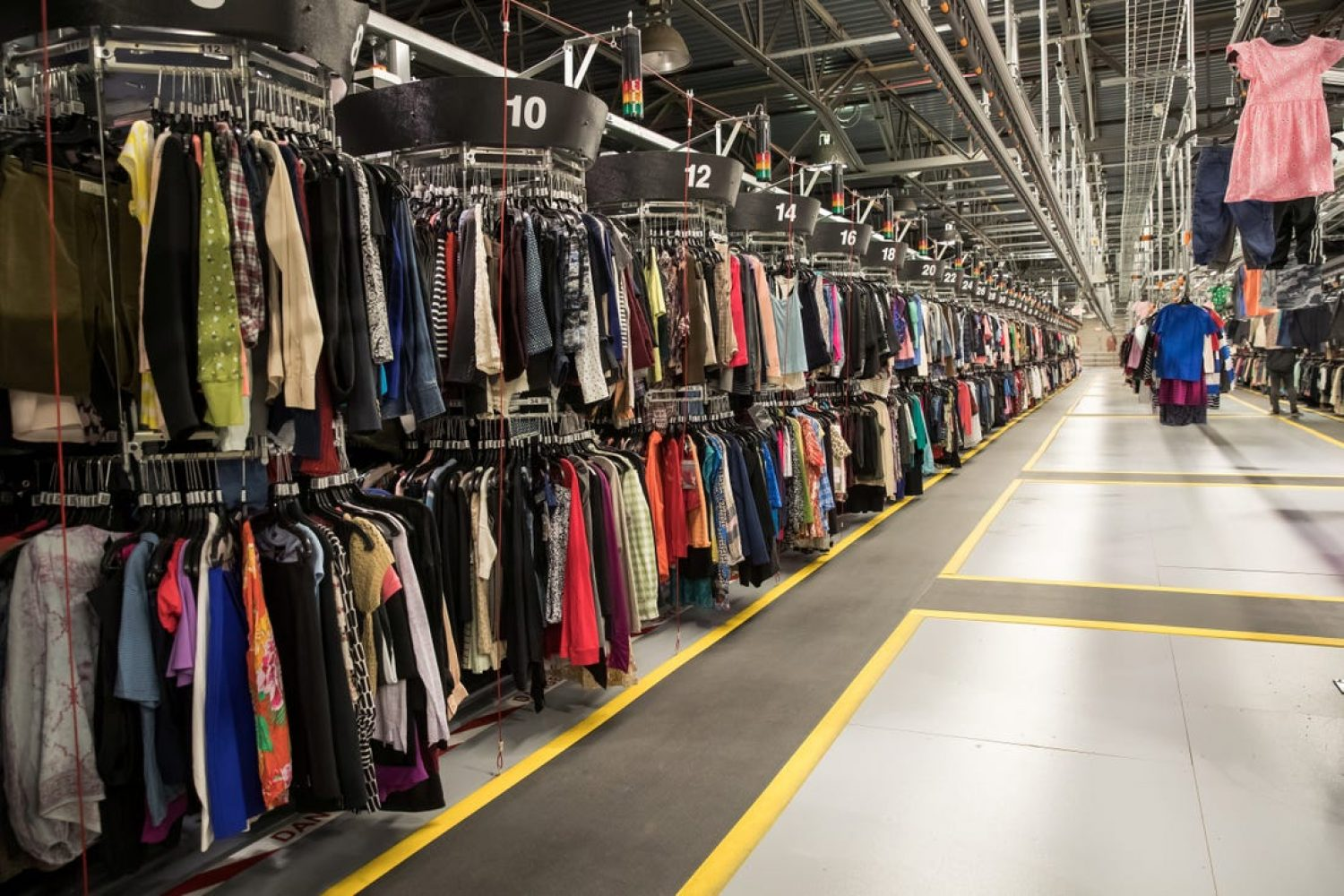
The UK clothing resale market has shifted from a niche pursuit into a mainstream commercial opportunity. Consumers across income brackets are actively choosing secondhand and wholesale-sourced garments for reasons that range from affordability to environmental awareness. For anyone looking to build a business in this space, the entry point has never been more accessible, but the decisions made in the early stages, particularly around sourcing and stock selection, tend to determine whether a venture becomes sustainable or stalls before it gains momentum.
One of the most reliable ways to establish a consistent inventory is to work with a verified wholesale supplier rather than sourcing ad hoc from auctions or one-off lots. Suppliers that focus specifically on wholesale clothing for resale in the UK offer structured product lines, predictable minimum orders, and clear quality grading, which makes it considerably easier to plan margins and scale operations without constant stock uncertainty.

Why the UK Market Rewards Consistent Sourcing
The UK’s appetite for affordable branded clothing has remained strong across economic cycles. Research published by FashionUnited in early 2025 highlights that the global secondhand apparel market is expanding at a pace well ahead of traditional retail, with a growing share of consumers actively seeking out pre-owned and value-priced clothing as a first choice rather than a fallback. This shift is particularly pronounced among buyers aged 18 to 44, a demographic that accounts for a substantial portion of UK online retail activity. For resellers, this represents a genuinely receptive customer base that is already conditioned to buy through resale channels.
The same report, available in full on FashionUnited’s analysis of how secondhand fashion is reshaping the global apparel market, notes that 58 percent of consumers purchased secondhand apparel in 2024, and that online platforms now capture the overwhelming majority of resale spending. For UK-based sellers, this points directly to the importance of having reliable, well-priced stock available consistently throughout the year.
Choosing the Right Stock Category from the Start
New sellers often make the mistake of stocking too broadly in an attempt to appeal to as many buyers as possible. In practice, a tightly defined stock category builds more consistent repeat custom than a general mix. The logic is simple: buyers who find what they want reliably from a particular seller tend to return, and repeat customers reduce the time and cost associated with constant new audience acquisition. Whether the focus is on branded sportswear, premium knitwear, or everyday casualwear, the category should be one where the seller can develop genuine product knowledge and reliable sourcing relationships over time.
Seasonality also plays a significant role in stock decisions. UK consumer buying patterns shift considerably between seasons, and wholesale suppliers typically reflect this in their product availability. A seller who plans purchases two to three months ahead, rather than reacting to what is currently in demand, is far better positioned to have the right stock at the right time. Buying ahead of peak periods is a habit that separates casual resellers from those operating a properly structured business.
Pricing Strategy and Margin Management
One of the persistent weaknesses in early-stage resale businesses is underpricing. Sellers who are anxious to move stock quickly tend to compress their margins to a point where the business does not generate enough profit to reinvest in growth. A sounder approach is to calculate the true cost of each item before setting a price, factoring in the wholesale unit cost, platform fees, packaging, shipping, and the time spent photographing and listing. Once a genuine cost base is established, a target margin can be applied consistently rather than adjusted emotionally in response to slow sales.
Branded items typically command stronger margins than unbranded equivalents, particularly on platforms where buyers are searching specifically by brand name. This is one of the reasons why branded wholesale stock tends to deliver better resale returns per unit than generic clothing bought at similar wholesale prices. The brand equity is already embedded in the product, and the seller’s job becomes one of presentation and positioning rather than persuasion.
Platforms and Sales Channels Worth Considering
The UK resale market is served by several well-established platforms, each with its own audience profile and pricing dynamics. eBay remains the broadest marketplace and continues to attract high volumes of branded clothing buyers. Vinted has grown rapidly as a community-driven platform with lower fees and a strong following among buyers who are actively looking for deals on everyday brands. Depop skews towards younger buyers with an interest in streetwear, vintage, and trend-led pieces. Selling across multiple channels simultaneously increases exposure but also increases the administrative load, so the right balance depends on the scale of the operation.
Some sellers at a more developed stage move toward running their own independent online store, either through Shopify or a similar platform, to reduce dependence on third-party marketplaces and improve margins. This approach requires more investment in marketing and customer acquisition, but it also allows for a more coherent brand identity and a direct relationship with customers, which becomes increasingly valuable as the business scales.
Presentation as a Competitive Advantage
On crowded platforms, the quality of listing presentation is one of the few areas where an independent seller can consistently outperform larger operations. Clean, well-lit photography against a neutral background, accurate size and condition descriptions, and a clear and professional communication style all contribute to a listing that converts more reliably than one where these elements are absent. Buyers on resale platforms are accustomed to uncertainty about condition and authenticity, and a seller who removes that uncertainty through thorough, honest listings earns a level of trust that translates directly into repeat purchases.
Packaging is another underestimated element. A garment that arrives in a clean, well-sealed bag with a simple handwritten note or printed receipt makes a different impression than one that arrives loosely wrapped. The physical experience of receiving an order is the last touchpoint in the buyer journey, and sellers who invest modestly in that experience tend to accumulate more positive reviews and more return customers.
Building a clothing resale business in the UK is genuinely achievable without significant upfront capital, but it does require clarity of focus, disciplined sourcing, and consistent attention to the customer experience. The market is large and growing, and the sellers who succeed over the long term are those who approach the work as a proper business from the beginning, making deliberate choices about stock, pricing, and presentation rather than reacting to circumstances as they arise.