

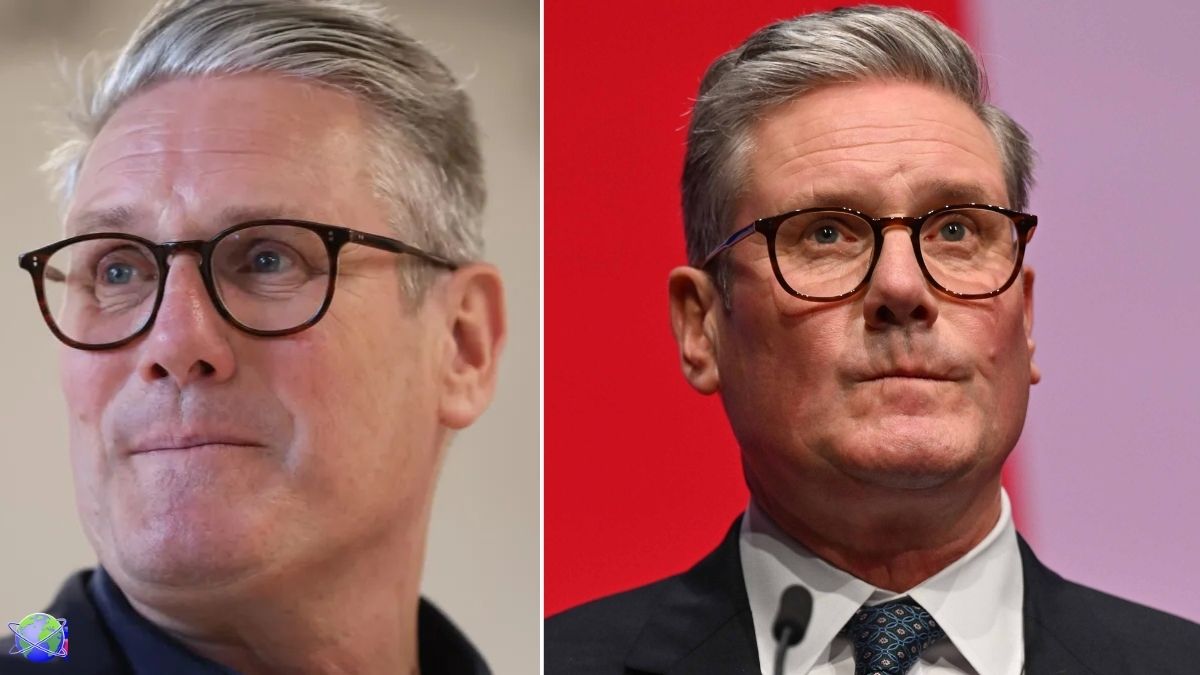
Keir Starmer, born on September 2, 1962, in London, is a prominent British politician and the leader of the Labour Party. Before entering politics, he had a distinguished career as a barrister and served as the Director of Public Prosecutions. His career has always been defined by his strong commitment to justice and fairness. In 2020, Starmer became Labour leader and set out to guide the party through a new era with a more centrist and pragmatic approach. Today, his calm, measured leadership is making a significant impact on British politics.
Keir Starmer Early Life and Political Background
Born into a working-class family, Keir Starmer grew up in London. His father worked as a toolmaker, and his mother was a nurse. Starmer showed a strong aptitude for academics early on, leading him to the University of Leeds, where he studied law. After completing his studies, he became a barrister and quickly made a name for himself. From 2008 to 2013, he served as the Director of Public Prosecutions (DPP), where he advocated for human rights and fair legal practices.


His time as DPP shaped his political ideology. Starmer developed a deep sense of justice and fairness, values that he has carried into his political career. He believes in a legal system that serves everyone equally, and his background as a barrister has influenced his approach to leadership.
Keir Starmer Leadership Style: Calm and Pragmatic
Keir Starmer’s leadership style is often described as calm, rational, and pragmatic. Unlike his predecessor Jeremy Corbyn, Starmer’s approach is less polarizing. He is measured and thoughtful in his decision-making. His legal background plays a significant role in how he leads—focused on facts, evidence, and rational arguments.
Starmer’s leadership is rooted in unity. He believes the Labour Party should appeal to both its traditional supporters and the broader political center. While some have praised this approach, others have criticized it for being too cautious. Nevertheless, Starmer continues to lead with a focus on moderation, which he believes will strengthen the party.
The Labour Party’s Shift Under Starmer’s Leadership
Since becoming leader, Keir Starmer has worked hard to distance Labour from the controversies of the Corbyn era. His focus has been on rebuilding the party’s reputation. He is steering Labour back to the center, where he believes most voters are.
One of Starmer’s main priorities is addressing economic inequality. He also aims to keep Labour relevant in a rapidly changing world. He has stressed the need for increased investment in public services like healthcare and education. At the same time, Starmer works to ensure that the economy remains globally competitive.
Key Announcements and Developments in Keir Starmer Tenure
Since taking office, Keir Starmer has made several key announcements that outline his vision for the Labour Party. These include new policies on climate change, economic recovery after COVID-19, and social justice.
Starmer has promised to tackle climate change head-on. He has outlined plans to create green jobs and ensure that the UK achieves its carbon neutrality target by 2030. This focus on environmental sustainability will not only help the planet but also position the UK as a global leader in green technology.
Healthcare is another key focus for Starmer. He has emphasized that Labour will make healthcare a central part of its agenda, particularly after the challenges posed by the pandemic.
Keir Starmer Personal Life: Family and Values
Keir Starmer’s political career often takes the spotlight, but his personal life also plays a significant role in shaping his values. He is married to Victoria Starmer, a solicitor, and the couple has children. While they keep their family life private, it’s clear that Starmer’s values of fairness, justice, and community are deeply rooted in his upbringing and personal experiences.
Victoria Starmer has supported her husband throughout his political journey. Together, they balance their professional and personal lives, providing Keir with the stability and strength he needs to lead the Labour Party.
Keir Starmer in the News: Current Developments
Keir Starmer continues to make headlines, particularly with his recent political moves. His leadership is regularly covered in the news, with his efforts to unite the Labour Party and address key national issues taking center stage.
One major topic in the news has been Starmer’s response to Brexit. He has taken a pragmatic approach, emphasizing the importance of maintaining a positive relationship with Europe post-Brexit. This strategy signals his desire to move past divisive debates and focus on the UK’s long-term interests.
Conclusion: The Future of Labour Under Starmer
Keir Starmer’s leadership marks a turning point for the Labour Party. His pragmatic approach, focus on social justice, and commitment to tackling economic inequality have positioned Labour as a strong contender in British politics. Although his leadership has faced challenges, Starmer remains dedicated to guiding the party into a new era of progress and unity.
As the UK faces complex global and domestic challenges, Starmer’s leadership will continue to play a crucial role in shaping the future of the Labour Party and the nation.
FAQs
What is Keir Starmer’s stance on Brexit?
Starmer has emphasized the need for a positive working relationship with Europe after Brexit, focusing on practical solutions.
Who is Keir Starmer’s wife?
Keir Starmer is married to Victoria Starmer, a solicitor. Together, they have children and share a strong partnership.
What is Keir Starmer’s latest announcement?
Keir Starmer has recently focused on green jobs and Labour’s commitment to achieving carbon neutrality by 2030.
What issues does Keir Starmer focus on?
Starmer focuses on climate change, economic inequality, healthcare reform, and education, all with a pragmatic approach to governance.
How has Keir Starmer changed the Labour Party?
Starmer has shifted Labour back to the center, emphasizing unity, social justice, and economic fairness while distancing the party from past controversies.