
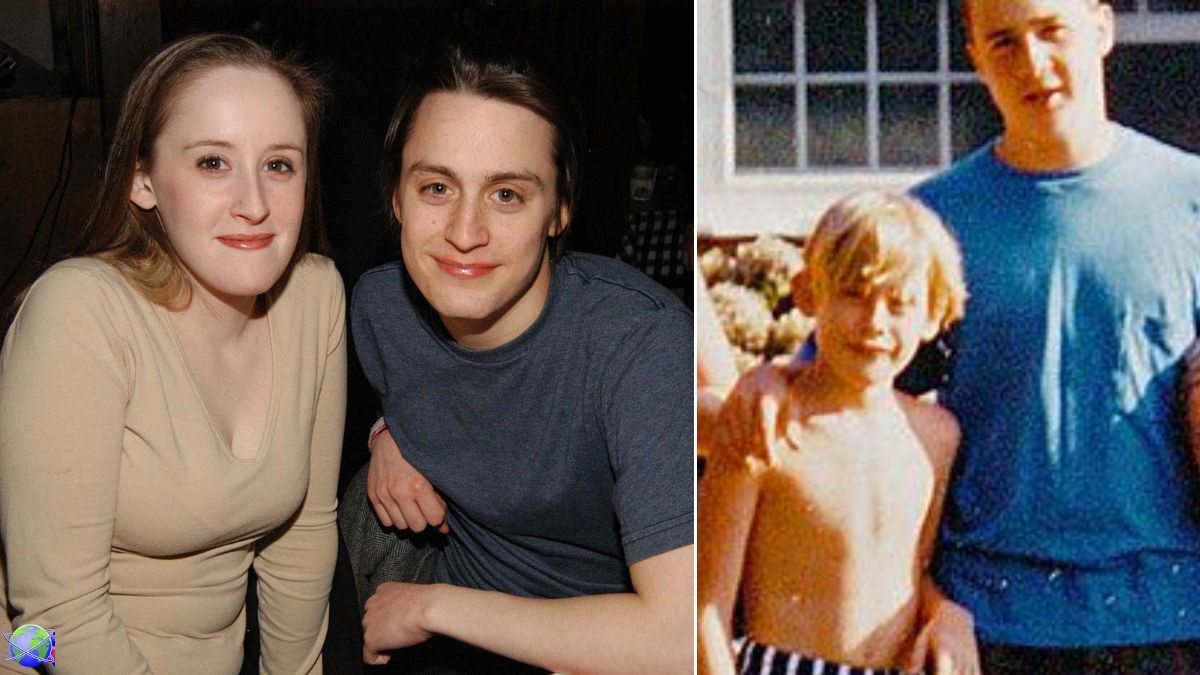
Dakota Culkin lived a life defined not by celebrity, but by creativity, loyalty, and deep family connection. Though her last name is synonymous with Hollywood fame, her own path was deliberately quieter. Her story matters because it reveals the human side of a well-known family and reminds us that not every meaningful life unfolds under bright lights.
This article explores Dakota Culkin’s life with care and precision—her upbringing, her work, her relationships, and the loss that reshaped her family. Every detail included here serves to understand who she was, not to sensationalize what happened to her.


Who Dakota Culkin Was Beyond the Spotlight
Born on June 15, 1978, in New York City, Dakota Culkin grew up in a household filled with performance, ambition, and artistic energy. While several of her siblings pursued acting at a young age, Dakota gravitated toward a different role within the creative world.
She was known within her family as thoughtful, grounded, and observant. Rather than competing for attention, she supported others and expressed creativity in subtle, practical ways. That disposition shaped both her personal life and professional choices.
Dakota Culkin did not reject film or storytelling; she simply approached it from behind the scenes, where collaboration mattered more than recognition.
Growing Up in the Culkin Household
The Culkin family dynamic was complex. Long before global fame arrived, creativity was already central to daily life. Music, performance, and storytelling were part of the family rhythm, encouraged from an early age.
Dakota was one of seven siblings, including Macaulay Culkin, whose childhood stardom reshaped the family’s reality, and Kieran Culkin, who later built a respected career of his own.
As fame intensified around her brothers, Dakota Culkin remained firmly herself. She was not insulated from the pressures of public life, but she navigated them with restraint. Family accounts suggest she played a stabilizing role—someone others could rely on when the noise of fame became overwhelming.
Dakota Culkin’s Professional Life and Creative Work
Dakota Culkin worked in film production, contributing to projects without placing herself at the center of attention. Her most widely documented credit is as a production assistant on Lost Soul, a documentary examining the troubled production of The Island of Dr. Moreau.
This role reflected her interests. She was drawn to process rather than performance, to structure rather than spotlight. Production work demands patience, adaptability, and problem-solving—qualities that aligned naturally with her personality.
Her career demonstrates that involvement in film does not require visibility to be meaningful. Dakota Culkin’s work supported storytelling without demanding recognition, a choice that deserves respect rather than omission.
The Circumstances of Dakota Culkin’s Death
On December 10, 2008, Dakota Culkin died at the age of 29 after being struck by a vehicle in Los Angeles. The incident was sudden and devastating, leaving her family to process an unimaginable loss.
The facts surrounding Dakota Culkin’s death are straightforward, but the impact was profound. It altered the emotional landscape of the Culkin family permanently. Grief did not arrive with spectacle or public statements; it arrived quietly, reshaping relationships and priorities.
Her death should not eclipse her life. While the event is an unavoidable part of her story, it does not define her worth or her legacy.
The Impact on Dakota Culkin’s Siblings
The bond among the Dakota Culkin siblings was strong, and her absence left a lasting void. For Kieran Culkin in particular, her loss became a defining emotional experience. Years later, he has spoken with honesty and restraint about grief, describing how it reshaped his understanding of family and time.
One of the most enduring tributes came when Kieran named his daughter Dakota. The choice was not symbolic in a public sense, but deeply personal. It carried memory forward into a new generation, transforming loss into continuity.
This act reflects how the family honors Dakota Culkin: through living connections rather than public memorials.
Addressing the “Dakota Culkin Twilight” Confusion
There is occasional confusion linking Dakota Culkin to Twilight, the popular vampire film series beginning with Twilight. This connection is inaccurate.
Dakota Culkin was not involved in Twilight as an actress or as part of its production. The confusion likely stems from name association and the overlap of Hollywood timelines, but it has no factual basis.
Clarifying this distinction matters because accuracy is essential when discussing someone whose public record is limited. Dakota Culkin’s story deserves clarity, not speculation.
Privacy, Grief, and the Family’s Response
Following Dakota Culkin’s death, her family chose restraint. There were no prolonged media engagements or public narratives crafted around the loss. Instead, the family processed grief internally, away from headlines.
This response aligned with how Dakota lived. She valued substance over spectacle, and her family respected that even after her passing. Their approach underscores a broader truth: public families are still private families when it comes to loss.
The absence of sensationalism is not a lack of remembrance; it is a deliberate form of respect.
Why Dakota Culkin’s Story Endures
Dakota Culkin’s life resonates because it challenges common assumptions about success and relevance. She did not seek fame, yet her influence within her family was profound. She did not build a public persona, yet her memory continues to shape those closest to her.
Her story represents:
- The creative contributors who work without applause
- The emotional anchors within high-profile families
- The enduring power of personal legacy over public image
Dakota Culkin matters not because of notoriety, but because of connection.
Conclusion
Dakota Culkin lived with intention, creativity, and quiet strength. Her life unfolded largely outside public view, yet its impact was deep and lasting. While her death marked a moment of profound loss, her legacy lives in family bonds, creative contribution, and the values she embodied.
Remembering Dakota Culkin means recognizing that significance is not measured by visibility. It is measured by the lives we touch and the space we leave behind.
FAQs
Who was Dakota Culkin?
Dakota Culkin was a member of the Culkin family who worked in film production and lived a largely private life.
How did Dakota Culkin die?
She died in 2008 after being struck by a vehicle in Los Angeles.
Who are Dakota Culkin’s siblings?
Her siblings include Macaulay Culkin and Kieran Culkin, among others in the Culkin family.
Did Dakota Culkin work in movies?
Yes. She worked behind the scenes and is credited as a production assistant on Lost Soul.
Is Dakota Culkin connected to Twilight?
No. She had no involvement with the Twilight films.