
The Burke Family remains one of the most recognizable and influential names in Irish history. For over eight centuries, the Burkes have been central to Ireland’s evolution — from Norman settlers to noble rulers and modern public figures. Their story stretches from medieval castles in Connacht to contemporary homes in Ireland and even as far as Washington, USA.
Studying the Burke lineage is more than an exercise in genealogy; it’s a glimpse into how courage, leadership, and cultural pride can define a family through the ages.

Origins in Ireland
The Burke family Ireland traces its roots to the Norman nobleman William de Burgh, who arrived in Ireland during the 12th century. The name Burke is derived from de Burgh, meaning “of the borough.” Over time, the descendants of de Burgh adopted Irish customs and language, becoming deeply intertwined with Gaelic society.
Settling in Connacht — especially in Galway and Mayo — the Burkes rose to power through alliances and military influence. Their story represents the merging of Norman ambition with Irish identity.
The Rise of the Burke Dynasty
By the 14th century, the Burke dynasty had divided into powerful branches — notably the Mac William Uachtar (Upper Mac William) and Mac William Íochtar (Lower Mac William). These families governed large territories, often with as much power as the English crown itself.
The Burkes’ governance combined diplomacy with resilience. They became patrons of culture, religion, and architecture — commissioning castles and churches that still stand today. Their integration into Irish nobility showcased their adaptability and influence.
Irish Nobility and Power
Throughout history, the Burke clan has been synonymous with leadership. Members of this family held noble titles such as the Earls of Clanricarde and Viscounts of Mayo. They played vital roles during the Norman expansion, Tudor reforms, and the complex centuries that followed.
What set the Burkes apart was their balance of loyalty — to Ireland and to the evolving political powers of Europe. Their decisions shaped not only their estates but also Ireland’s identity during turbulent times.
Global Expansion and Migration
As Ireland experienced economic and political upheaval, many descendants of the Burke lineage migrated abroad. During the 18th and 19th centuries, Burkes settled across North America, Australia, and Britain, bringing their skills, faith, and family traditions with them.
One notable example of this diaspora is the Burke family Washington, whose members continue to embody the same perseverance that defined their Irish ancestors. These transatlantic descendants carried forward the clan’s name through education, community leadership, and entrepreneurship.
The Enoch Burke Family in Modern Ireland
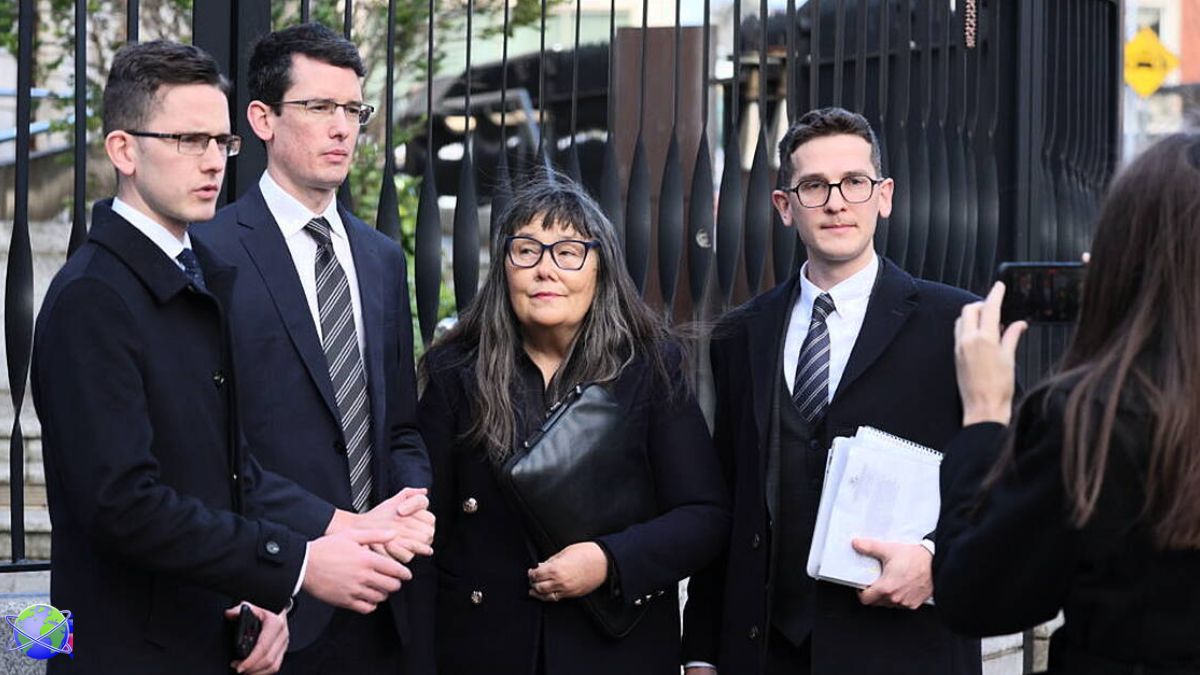
In the 21st century, the Enoch Burke family has become a widely discussed name in Irish society. Known for their firm moral convictions and strong religious values, they represent a modern branch of the ancient Burke spirit — standing for belief and identity even amid controversy.
While public opinion on their actions varies, the Enoch Burke family highlights the ongoing presence of the Burke name in Ireland’s cultural and ethical discourse. Their story echoes the historical resilience of their forebears.
The Burke Family in Washington
Across the Atlantic, the Burke family Washington reflects how Irish heritage thrives abroad. Many American Burkes trace their roots to Western Ireland, where the clan’s origins began. Over generations, these families built lives in business, politics, and education while maintaining a proud connection to their ancestral homeland.
Their story represents more than migration—it’s a testament to how Irish identity evolves yet endures through time and distance.
Cultural and Educational Influence
The Burke family was not only noble in title but in spirit. Their patronage of education, art, and religion helped shape Ireland’s intellectual landscape. Manuscripts, poetry, and architecture sponsored by the Burkes left a lasting imprint on Irish culture.
Today, descendants of the clan continue this tradition by contributing to universities, historical societies, and charitable foundations worldwide.
Symbols and Coat of Arms
The emblem of the Burke lineage is both bold and meaningful. A red cross on a golden shield signifies bravery and sacrifice, while the family motto — “Ung roy, ung foy, ung loy” (One king, one faith, one law) — reflects their unity and devotion.
This heraldic design remains one of Ireland’s most recognized symbols of nobility, often displayed proudly by descendants tracing their ancestral roots.
Modern Contributions
In contemporary Ireland, the Burkes continue to leave their mark across fields such as education, literature, and civic life. Their influence extends far beyond their homeland, with global branches maintaining an active interest in genealogy, heritage projects, and Irish cultural renewal.
This ongoing relevance proves that the Burke family Ireland is not just a relic of history—it’s a living legacy that continues to evolve.
Preserving the Legacy
Preserving the Burke family story requires dedicated research and community effort. Family archives, historical societies, and digital genealogy platforms have made it easier than ever for descendants to trace their roots.
Events such as clan gatherings and cultural festivals in Ireland and abroad help connect distant relatives, ensuring that the Burke name remains a vibrant part of Irish identity.
Conclusion
The story of the Burke family is one of transformation and endurance. From Norman knights to modern educators, from Irish castles to Washington communities, their journey embodies faith, strength, and continuity.
Whether you’re exploring the history of the Enoch Burke family, the heritage of Burke family Ireland, or the legacy of Burke family Washington, each chapter reflects a shared spirit — one that values tradition, courage, and an unwavering sense of belonging.
FAQs
1. Where did the Burke family originate?
The Burkes descend from the Norman de Burgh family, who settled in Ireland in the 12th century.
2. What part of Ireland is associated with the Burkes?
Primarily the western provinces — Galway, Mayo, and the historic region of Connacht.
3. Who are the Enoch Burkes?
A contemporary Irish family known for their strong faith and involvement in educational and legal debates.
4. Are there Burke descendants in the U.S.?
Yes, particularly among the Burke family Washington and other Irish-American communities.
5. What does the Burke coat of arms symbolize?
A red cross on gold, representing courage and unity under the family motto “One king, one faith, one law.”