

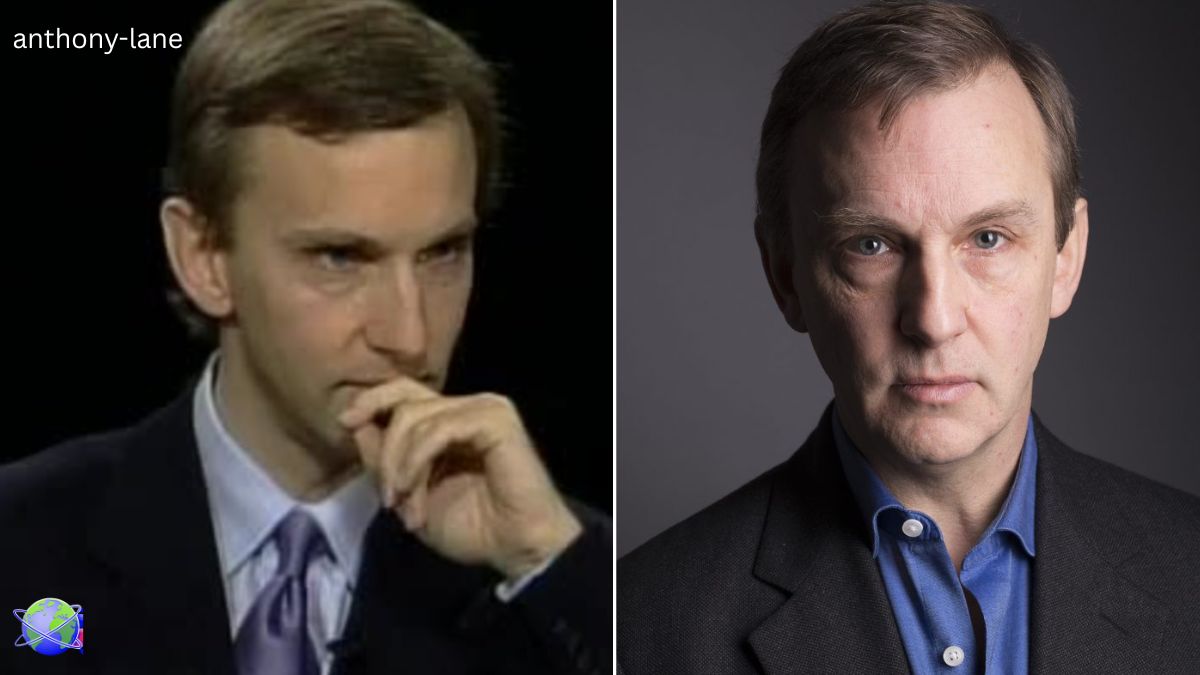
In the crowded landscape of film criticism, Anthony Lane stands as a beacon of sophistication, intellect, and humor. As The New Yorker’s legendary film critic, Anthony Lane has shaped the way generations interpret cinema—not just through analysis, but through artful storytelling. His reviews aren’t mere judgments; they’re essays that celebrate the magic of film and the complexity of human experience.
Few critics can balance literary elegance with accessible insight the way Anthony Lane does. From dissecting Hollywood blockbusters to unearthing hidden gems of world cinema, his writing remains timeless, witty, and effortlessly erudite.


A Brief Biography of Anthony Lane
Born in London in 1962, Anthony Lane studied English at Trinity College, Cambridge, where his fascination with language and literature took root. Before joining The New Yorker in 1993, he honed his critical voice at The Independent on Sunday, gaining attention for his refined prose and sharp observations.
Lane’s journey reflects a lifelong devotion to art and culture. His early essays often bridged literature and cinema, offering nuanced insights that set him apart from conventional reviewers. Over the decades, Anthony Lane has become synonymous with integrity, taste, and intellect—traits that define his enduring reputation.
Anthony Lane’s Signature Writing Style
The genius of Anthony Lane lies in his ability to transform criticism into literature. His reviews flow with rhythm, humor, and lyrical precision. Readers don’t just learn what a film is about—they feel why it matters.
Key traits of his writing style include:
- Linguistic elegance: Lane writes with literary grace, blending cultural references with vivid imagery.
- Wit and irony: His reviews are often laced with clever humor that never undermines the film’s subject.
- Balanced judgment: Unlike many critics who polarize, Lane often finds the poetic middle ground.
This approach has made Anthony Lane a critic that filmmakers respect and readers adore. His reviews—whether on The Godfather, Parasite, or Barbie—carry a voice that feels both intimate and universal.
The New Yorker Era: Where Wit Meets Wisdom
When Anthony Lane joined The New Yorker, he became part of a lineage of intellectual critics like Pauline Kael. Yet, he carved his own identity.
At The New Yorker, Lane’s reviews transcend mere critique; they read like meditations on culture. His essay collection Nobody’s Perfect (2002) captured some of his finest works, showcasing why he remains an essential literary presence in modern journalism.
Over the years, Anthony Lane has reviewed thousands of films, but his approach never grows stale. He treats each movie—whether an indie experiment or a Hollywood epic—with equal curiosity and respect.
The Literary Side of Anthony Lane
Beyond cinema, Anthony Lane’s love for literature defines his worldview. His education at Cambridge fostered a deep appreciation for writers like T.S. Eliot and Evelyn Waugh.
This literary grounding influences how Lane interprets film. He doesn’t just describe what happens on screen—he analyzes themes, character psychology, and narrative rhythm with a novelist’s precision. His essays remind us that film criticism, at its best, is an art form.
Lane once remarked that reviewing films is like “writing about life disguised as entertainment.” That sentiment reflects why his work has endured for decades.
Allison Pearson and Anthony Lane: A Notable Personal Chapter
One topic that often surfaces in discussions about Anthony Lane is his long relationship with British writer and journalist Allison Pearson. Their partnership, though private, has been a subject of quiet fascination.
Reports once circulated about an Allison Pearson and Anthony Lane split, though neither publicly confirmed such rumors. What’s certain is that both individuals share intellectual depth and literary brilliance—Pearson as a novelist (I Don’t Know How She Does It) and Lane as a critic.
While gossip may intrigue readers, the respect between Anthony Lane and Allison Pearson** endures as a reflection of two sharp literary minds navigating separate but parallel creative paths.
Legacy, Tributes, and the Anthony Lane Obituary Myth
Occasionally, internet searches surge for “Anthony Lane obituary,” a misunderstanding stemming from online confusion about similarly named individuals. Thankfully, The New Yorker’s Anthony Lane remains very much alive and active.
This confusion, however, underscores his cultural reach—people associate his name so closely with excellence that any mention sparks attention. His influence transcends generations, and his writing continues to appear in major publications, often setting the benchmark for thoughtful criticism.
In an era dominated by clickbait reviews, Anthony Lane remains a voice of authority and timeless taste.
Paul Anthony Lane and Other Cultural Namesakes
The name Anthony Lane occasionally overlaps with other notable figures, including Paul Anthony Lane, a name sometimes linked to academia and British journalism. Though unrelated, the coincidence highlights how the Lane surname carries a certain prestige in cultural and intellectual circles.
While Paul Anthony Lane may not share the same cinematic focus, the association adds to the broader landscape of intellectual commentary that defines the Lane legacy.
Why Anthony Lane’s Criticism Still Matters
In a digital age ruled by instant opinions, Anthony Lane offers a refreshing counterpoint. His reviews are slow art—crafted with care, empathy, and insight.
Here’s why his criticism continues to matter:
- Depth over noise: Lane prioritizes nuance over trends.
- Cultural literacy: His work connects cinema to literature, politics, and philosophy.
- Human emotion: Each review reminds readers why stories matter in the first place.
Through his essays, Anthony Lane teaches that films are not just entertainment—they’re reflections of who we are and what we dream of becoming.
His longevity proves that intellectual honesty still has a place in modern media. Whether critiquing Christopher Nolan or revisiting Hitchcock, Anthony Lane bridges eras with effortless grace.
Conclusion: Anthony Lane’s Enduring Influence
As cinema evolves, Anthony Lane remains its most articulate chronicler. His reviews embody intelligence, empathy, and wit—the trifecta that defines timeless criticism.
He reminds us that the role of a critic isn’t to dictate taste but to expand perception. From his collaborations and rumored connections like Allison Pearson and Anthony Lane, to the myths around the Anthony Lane obituary, every mention reaffirms his cultural impact.
Even amid shifting journalistic landscapes, Anthony Lane endures as a symbol of refinement. His voice continues to echo across pages and screens, reminding us why film criticism—when done with heart and intellect—never truly goes out of style.